One Hundred Views of Flowers
Beauty is made eternal by being recorded.
Botanical illustration as art.
Botany as science.
A tranquil and rich world was born at the intersection of these two.
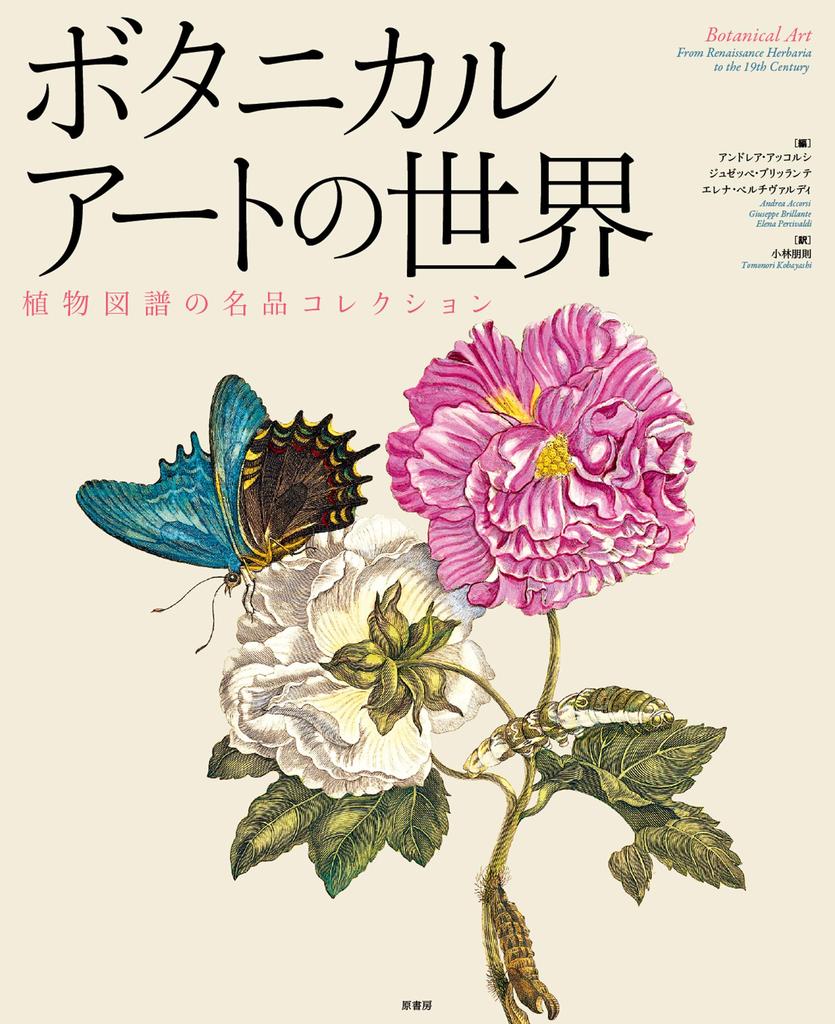
This book traces the path of those who have recorded, celebrated, and communicated nature, from Renaissance herbal atlases to 19th-century botanical art.
Art history, botany, and cultural history—for all lovers of knowledge and beauty. The "forms of life" depicted throughout the ages quietly live on today.
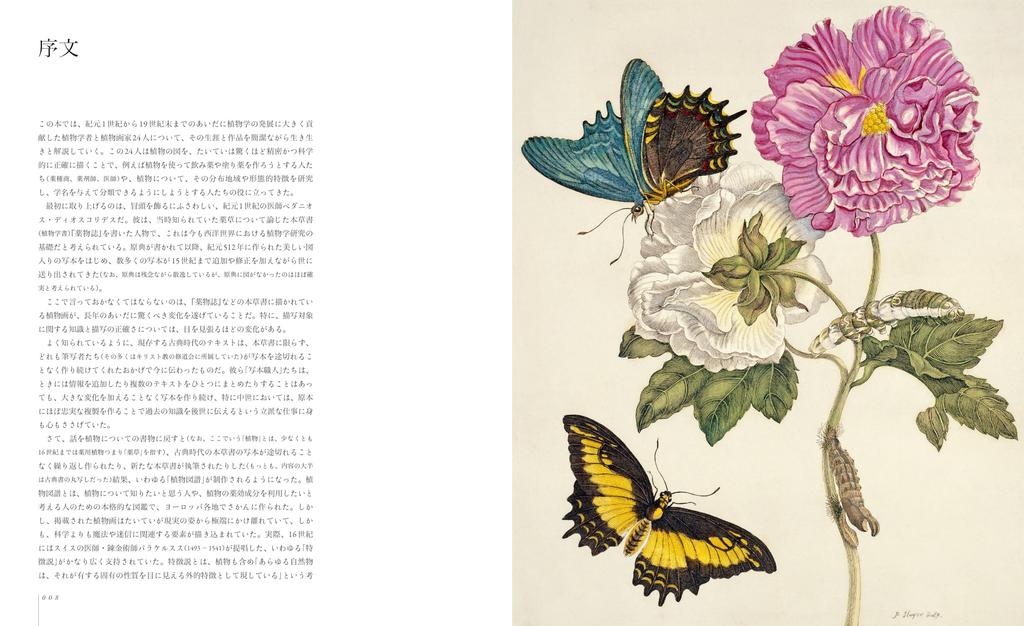
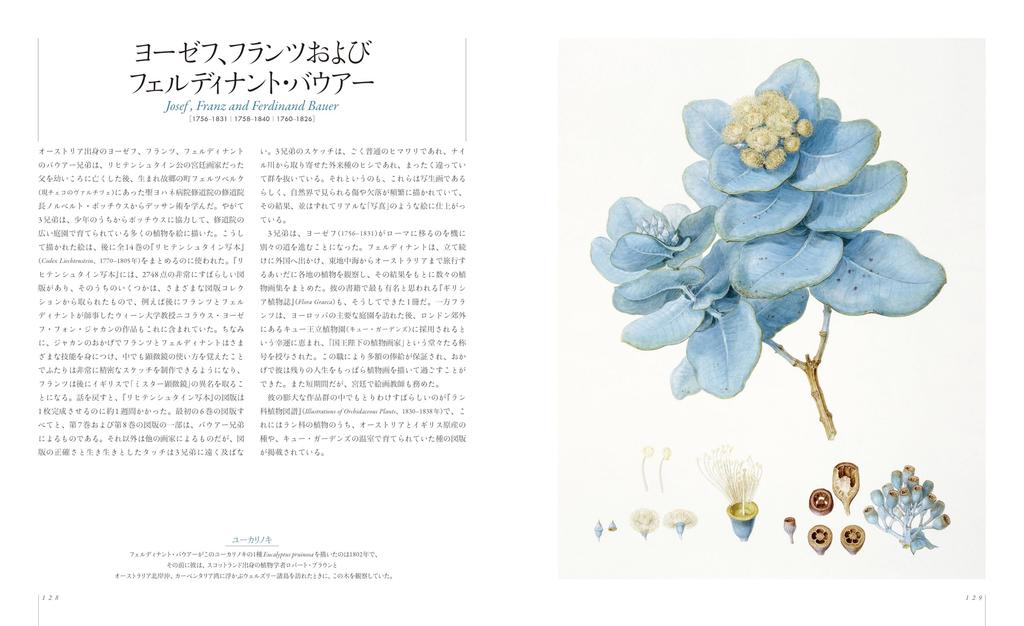
The botanical illustrations contained in this book are more than mere records.
With each page, delicate flowers, vibrant leaves, and the cultural and scientific contexts of each era emerge. Plants depicted as medicinal herbs, unknown flowers brought back by explorers, and roses beloved by the imperial court—each painting is imbued with the artist's gaze and the respect for nature of the people of that time.
From Renaissance herb illustrations to the intricate botanical art of the 19th century, you'll be moved by a timeless "dialogue with nature."
Included are masterpieces by artists of the golden age of botanical illustration, including Pierre-Joseph Redouté and Georg-Dionysius Ehret.
Combining scientific precision with artistic beauty, these works serve as inspiration for composition and color for illustrators and designers, cultural and art history teaching materials for educators, and a time of healing and discovery for plant lovers.
Whether you're looking at art, natural science, history, or a herbarium, this book can be enjoyed from any perspective.
With a large hardcover and beautiful binding that complements interior décor, it also makes a perfect gift.
You'll be moved by the depth of your gaze and the timeless sharing of nature, and realize how beautiful nature can truly be.
This is an intellectual and emotional collection of botanical illustrations that will make you want to pause and reflect amidst your busy days.
This book presents a carefully curated collection of botanical art, reflecting the scientific knowledge of herbalists, botanists, and painters, as well as the techniques of engravers, from the very beginning of herbalism. It showcases the profound appeal of botanical art, which speaks to us across time, with over 160 illustrations from its golden age, from the Renaissance to the 19th century.
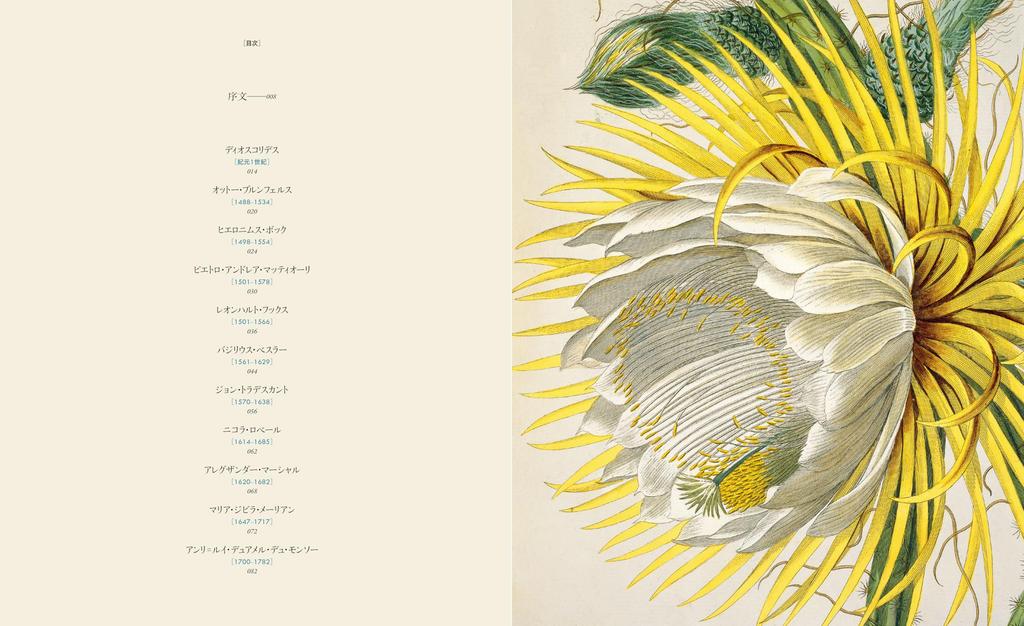
Table of Contents
Preface
Dioscorides (1st century AD)
Otto Brunfels (1488-1534)
Hieronymus Bock (1498-1554)
Pietro Andrea Mattioli (1501-1578)
Leonhard Fuchs (1501-1566)
Basilius Bessler (1561-1629)
John Tradescant ( 1570-1638)
Nicolas Robert (1614-1685)
Alexander Marshall (1620-1682)
Maria Sibylla Merian (1647-1717)
Henri-Louis Duhamel du Monceau (1700-1782)
Elizabeth Blackwell (1699-1758)
Georg Dionysius Ehret (1 1708-1770)
Francis Masson (1741-1805)
Sidney Parkinson (1745-1771)
William Roxburgh (1751-1815)
Joseph (1756-1831), Franz (1758-1840), and Ferdinand Bauer (1760-1826)
Pierre-Joseph Redouté (1759- 1840)
Robert John Thornton (1768–1837)
Giorgio Garesio (1772–1839)
John Reeves (1774–1856)
William P. C. Barton (1786–1856)
Joseph Dalton Hooker (1817–1911)
Walter Hood Fitch (1817–1892)
Illustration Sources
Index






 Vrácení peněz při nedoručení





![Kolekce vzorů výšivky Totsuka: Reflexe měnících se ročních období 3 [2016-2023 Kolekce návrhů kalendáře výšivky Totsuka]](https://img.joomcdn.net/79c524dc500f649ad0b1c45e707f17ec605a8a9b_70_100.jpeg)