----------------------------------------------------------------------
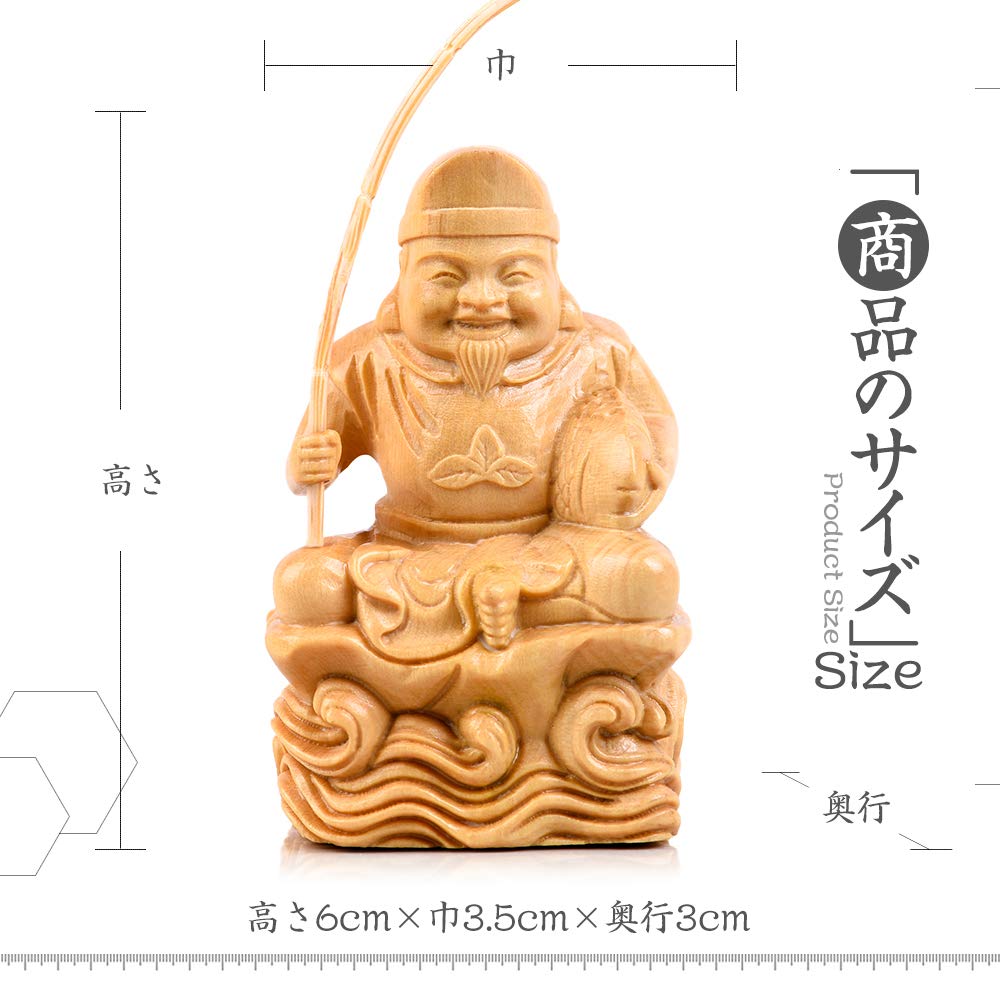
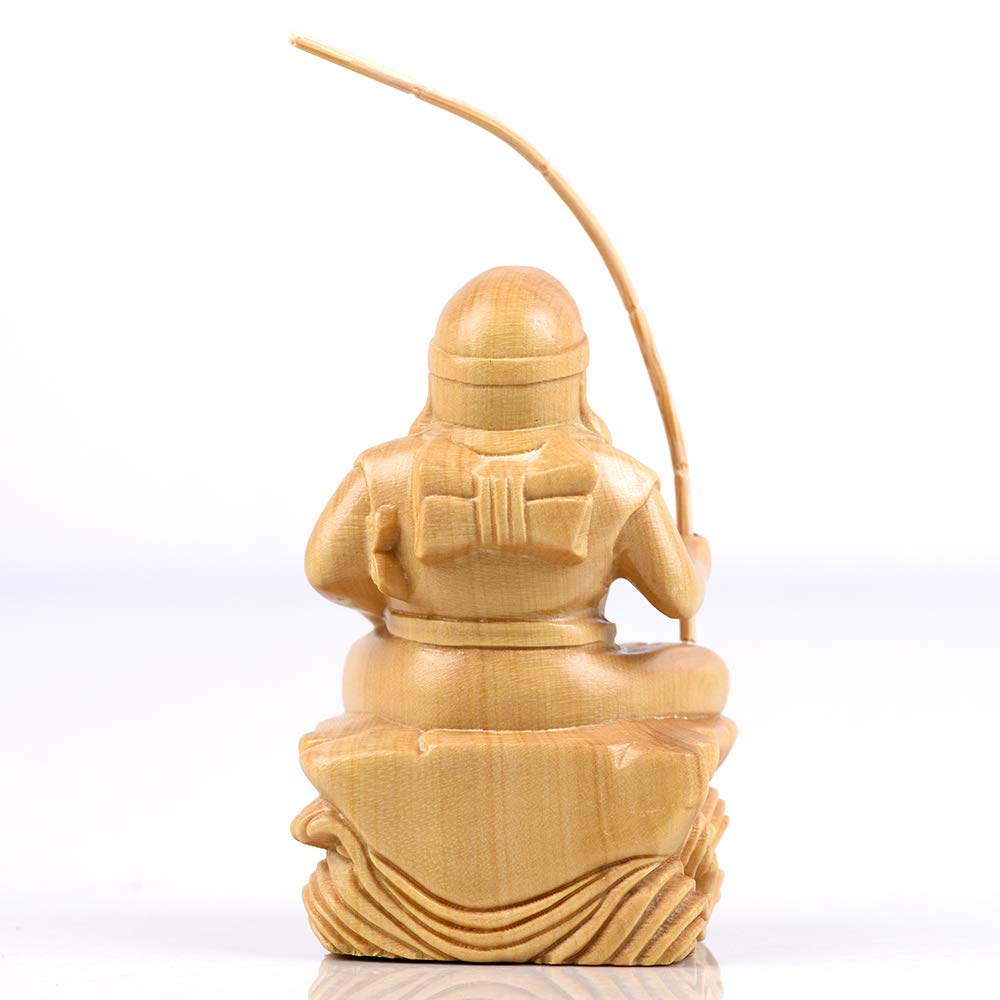
△ Product material: Boxwood (also known as dog sesame) / Weight: Approximately 80g / Product size: Height: 6cm Width: 3.5cm Depth: 3cm / There may be slight errors (within 1cm) as the measurements were taken manually. / Delivered in a special presentation box.
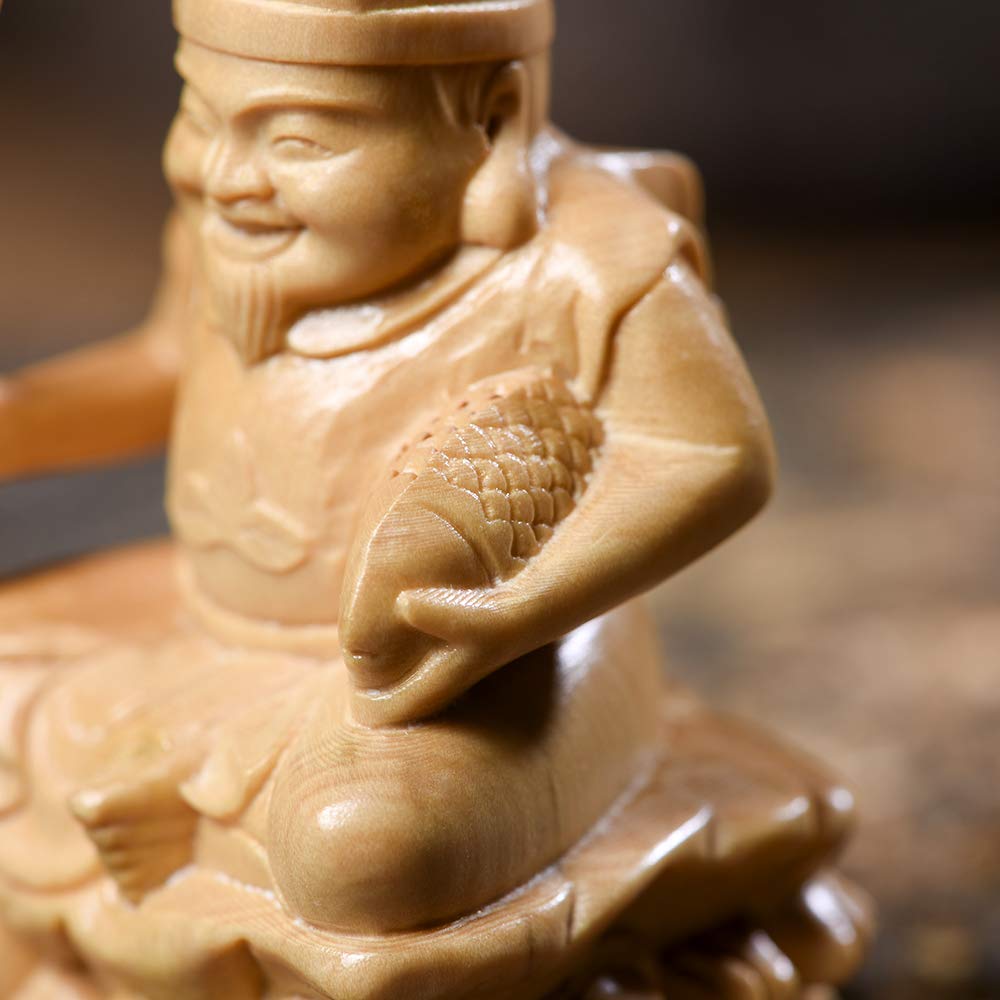
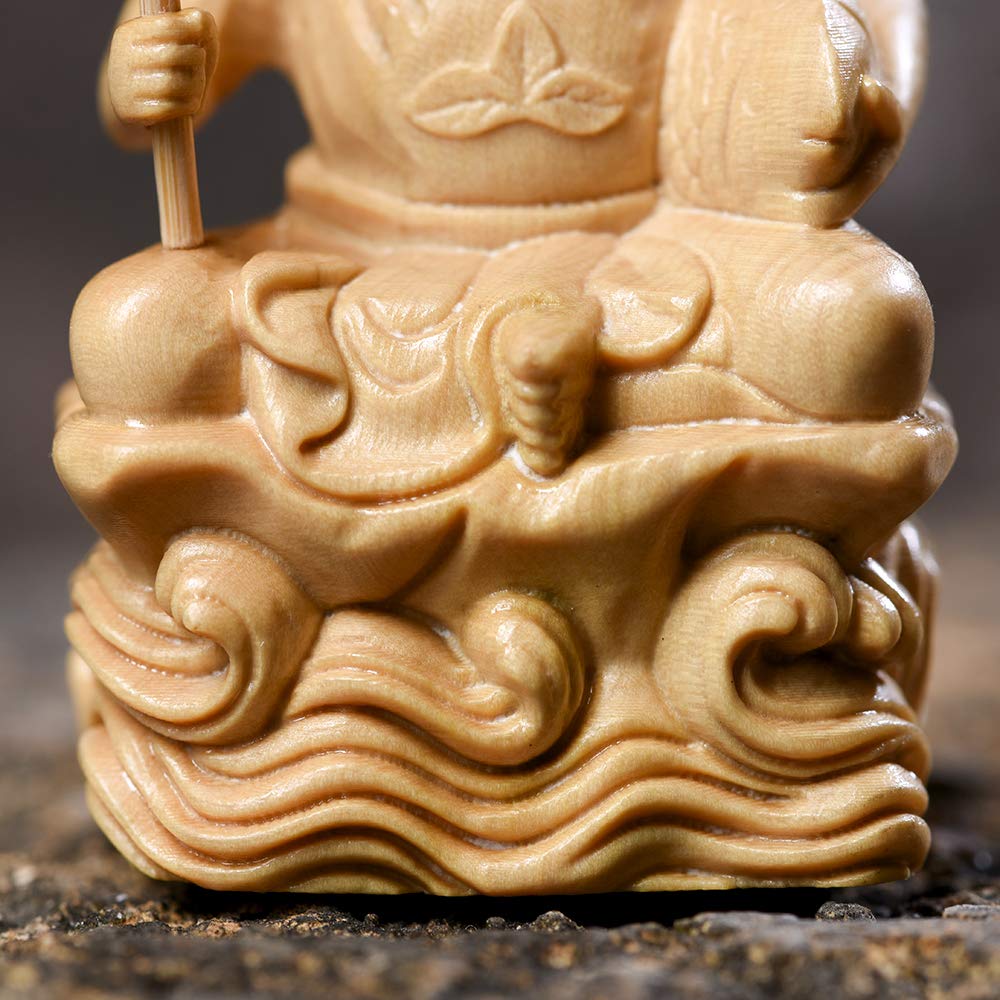
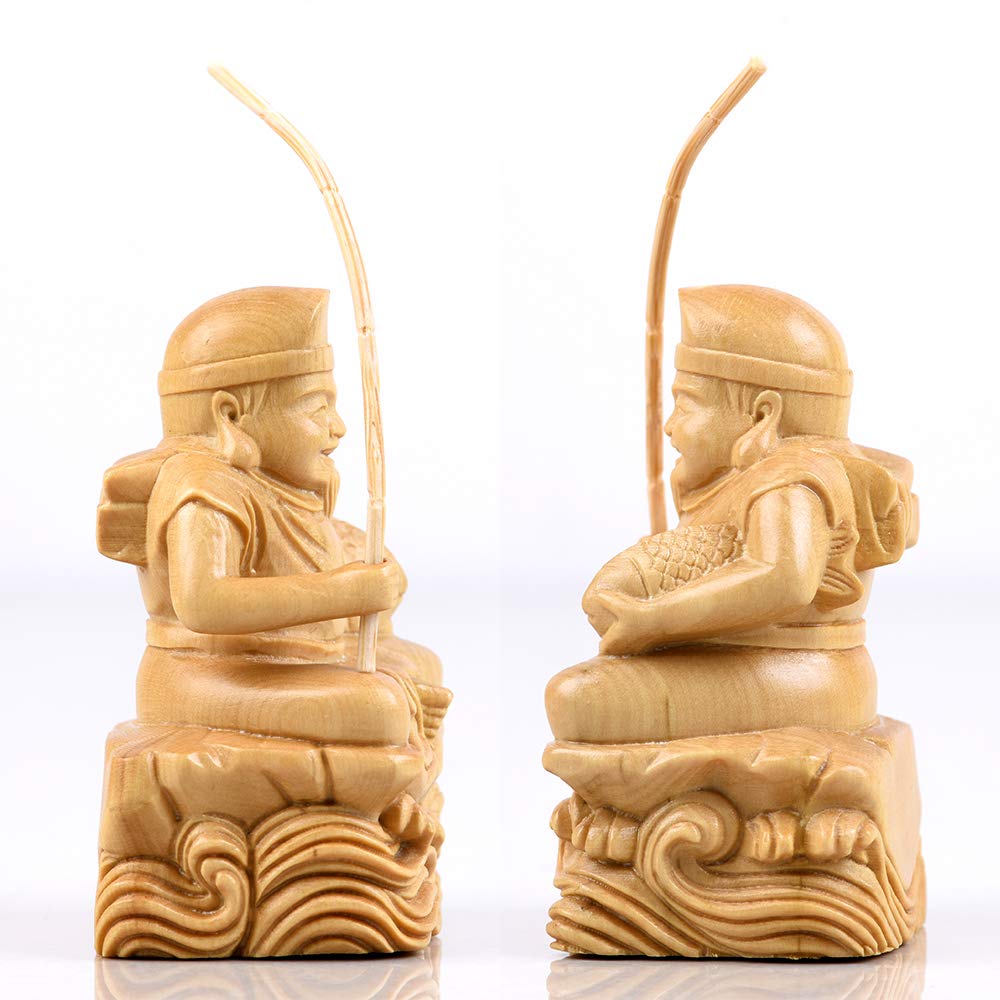
Ebisu is counted as one of the Seven Lucky Gods and is the god of good catches and prosperity in business, and is widely worshipped by the general public.
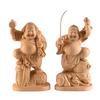
He is often worshipped together with Daikokuten as the two gods of good fortune who bring prosperity in business and good fortune.
Daikokuten is also associated with Okuninushi no Mikoto and is counted as one of the Seven Lucky Gods as the god of abundant harvests, and is widely worshipped by the people.
* Dear customers, please choose "The Changer" when you make a purchase. 1. We can provide prompt responses to customer inquiries. (We promise to provide a satisfactory response to customer inquiries within 10 hours) 2. Due to the special attributes of wood products, the rate of defective products is high, so strict selection is required. Product history: Factory defective product inspection - Company corresponding personnel defective product inspection - Pre-shipment inspection, ensuring that almost perfect products are sent to customers.
Ebisu is counted as one of the Seven Lucky Gods and is the god of good catches and prosperous business, and is widely worshipped by the general public. The history of worship of the Seven Lucky Gods dates back to the Kamakura period, when worship of Ebisu (the guardian deity of fishing, labor, business, etc.), an ancient Japanese guardian deity, was joined by worship of Daikokuten (the god of bountiful harvests and food and drink) and Benzaiten (the god of music, wisdom, eloquence, and wealth) from India via China. In the Muromachi period, as worship of these three gods deepened among the common people, four gods were added: Bishamonten (the path of human ethics and the guardian deity of Buddhism), Hotei (the god of fortune and prosperity, such as fortune telling, and family harmony), Fukurokuju (the god of good luck, stability in life, and longevity), and Jurojin (the god of longevity and prolonged life), and they are said to have become symbols of worship as the Seven Lucky Gods who answer people's wishes. During the Edo period, pilgrimages to the Seven Lucky Gods became popular all over the country, in hopes of blessings and good fortune, such as business prosperity, good health, and the fulfillment of various wishes.