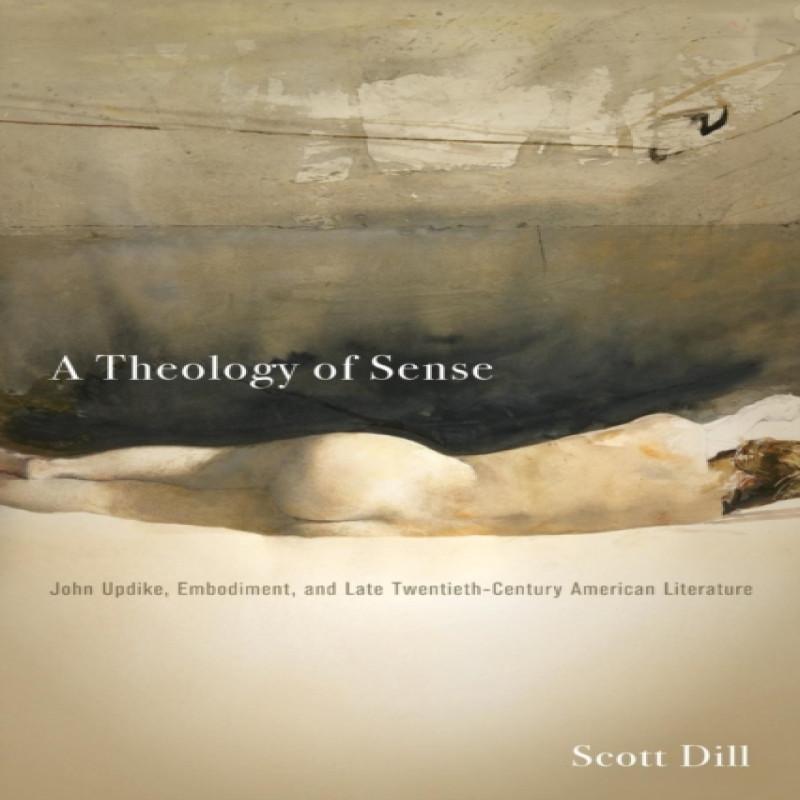
Scott DillsampnbspA Theology of Sense John Updike Embodiment and Late TwentiethCentury American Literatureampnbspbrings together theology aesthetics and the body arguing that Updikeampnbspa central figure in post1945 American literatureampnbspdeeply embedsampnbspin his workampnbspquestions of the body and the senses with questions of theology Dill offers new understandings not only of the work of Updikewhich is importantly being revisited since the authors death in 2009but also new understandings of the relationship between aesthetics religion and physical experience Dill explores Updikes unique literary legacy in order to argue for a genuinely postsecular theory of aesthetic experience Each chapter takes up one of the five senses and its relation to broader theoretical concerns affect subjectivity ontology ethics and theology While placing Updikes work in relation to other late twentiethcentury American writers Dill explains their notions of embodiment and uses them to render a new account of postsecular aesthetics No other novelist has portrayed mere sense experience as carefully as extensively or as theologicallyrepeatedly turning to the doctrine of creation as his stylistic justification Across this examination of his many stories novels poems and essays Dill proves that Updike forces us to reconsider the power of literature to revitalize sense experience as a theological question ampnbsp