Woody Joe Suimayo Wooden Model Assembly Kit
During the Kamakura period, the method of grinding wheat, rice, tea leaves, etc. in a stone mill using water power as a power source to produce large quantities of flour was called "Suimayo."
This technique was brought back from the province of Sakae by the renowned monk Shoichi Kokushi, who was born in Tochizawa, Aoi Ward, Shizuoka City, and practiced Buddhism from a young age.
The tea seeds and Suimayo (illustrated at the end of the "Map of the Great Song Mountains," an Important Cultural Property preserved at Tofukuji Temple in Kyoto), which Shoichi Kokushi brought back from his rigorous training journey in Song China, thinking of his mother, became the foundation of modern industry and culture, bringing benefits to all parts of Japan.
Cooperation: Seichi Kokushi Commemoration Association (Secretariat: Shizuoka Chamber of Commerce and Industry) Reference drawings provided by: Shizuoka City
About the Kit
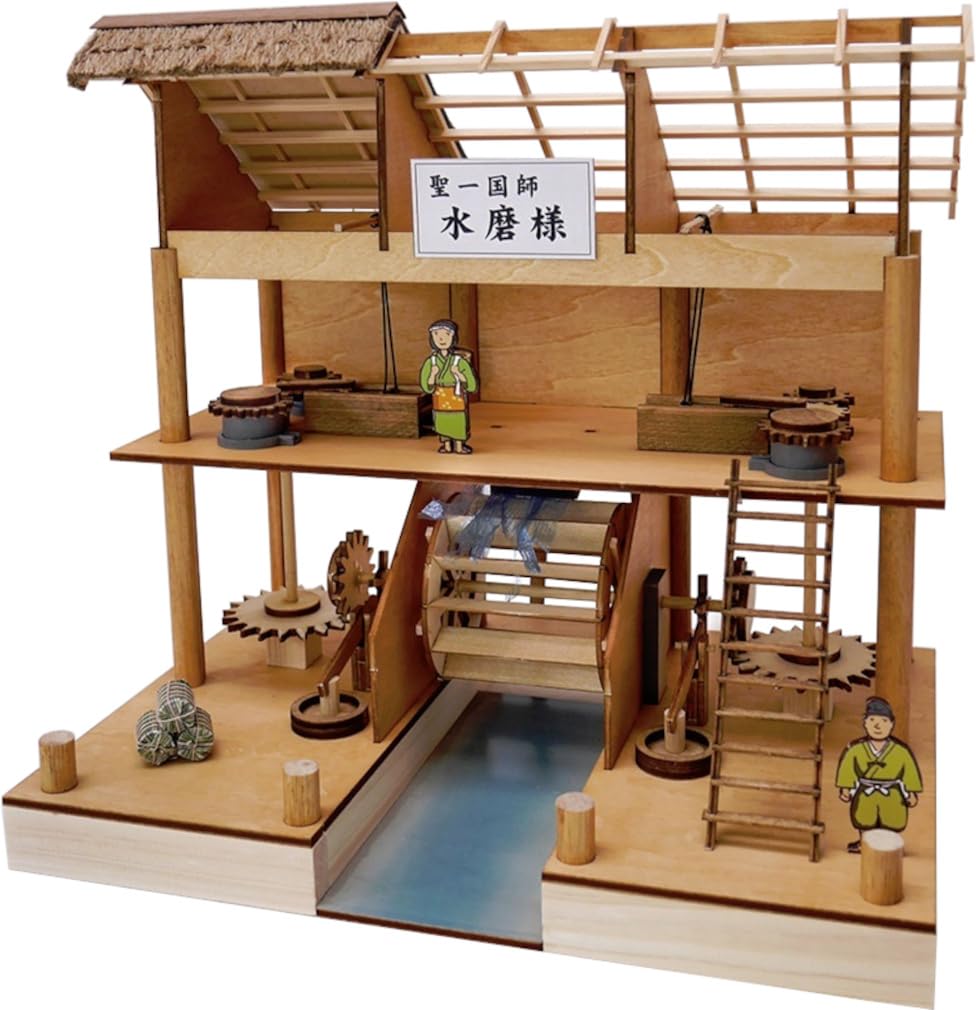
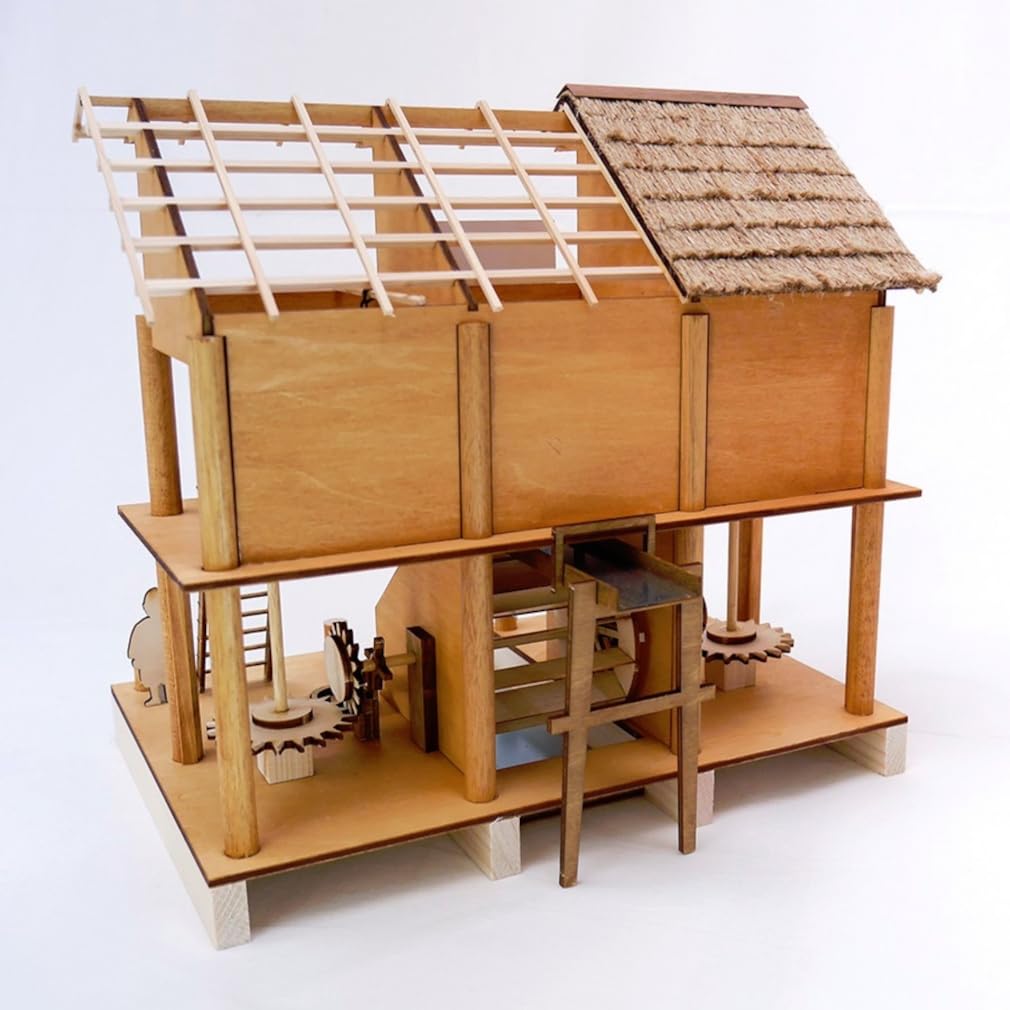
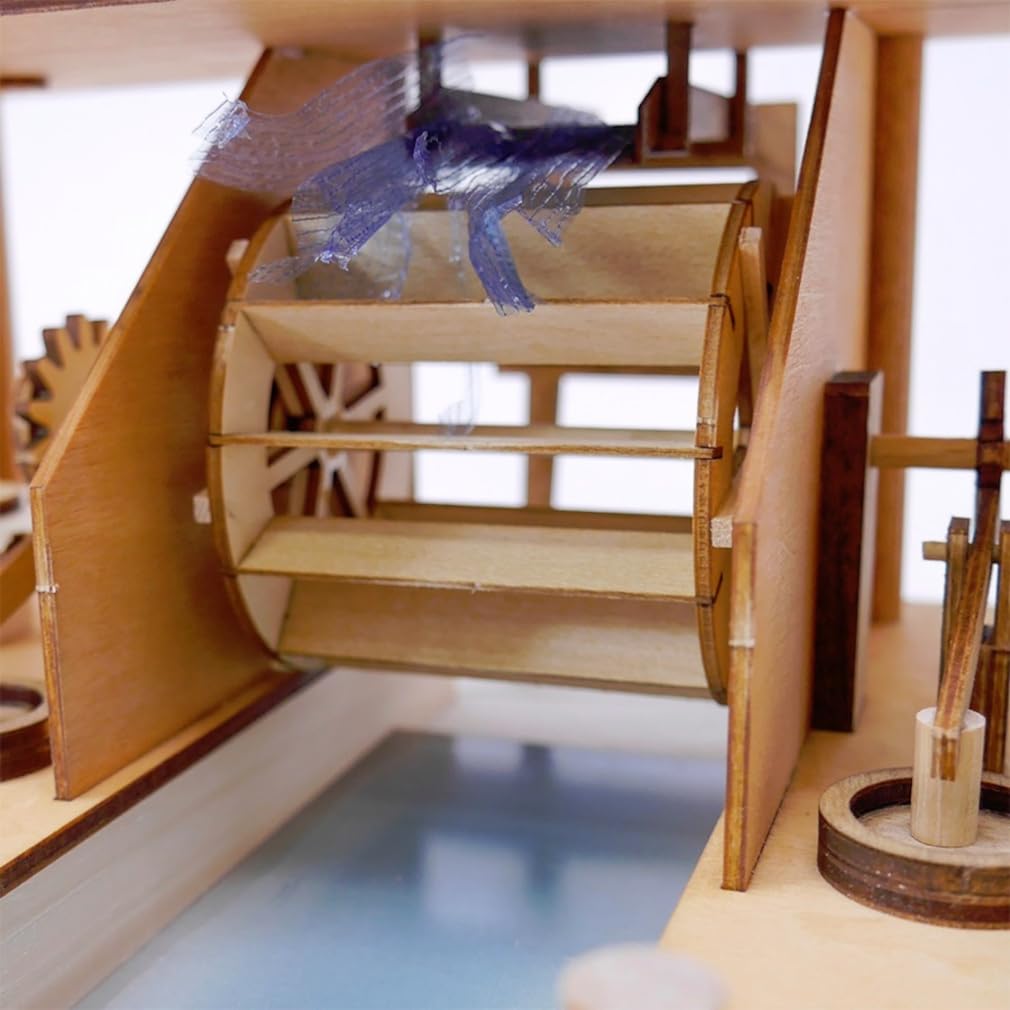
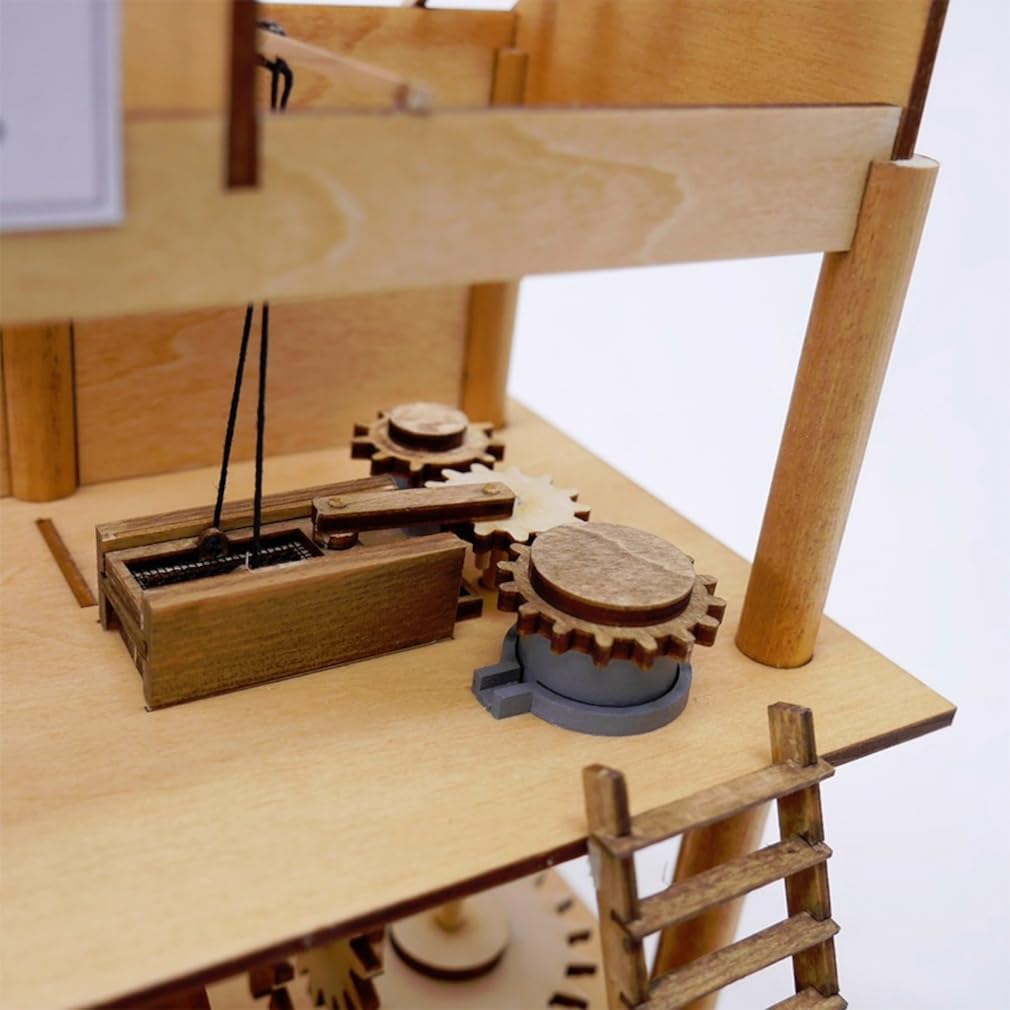
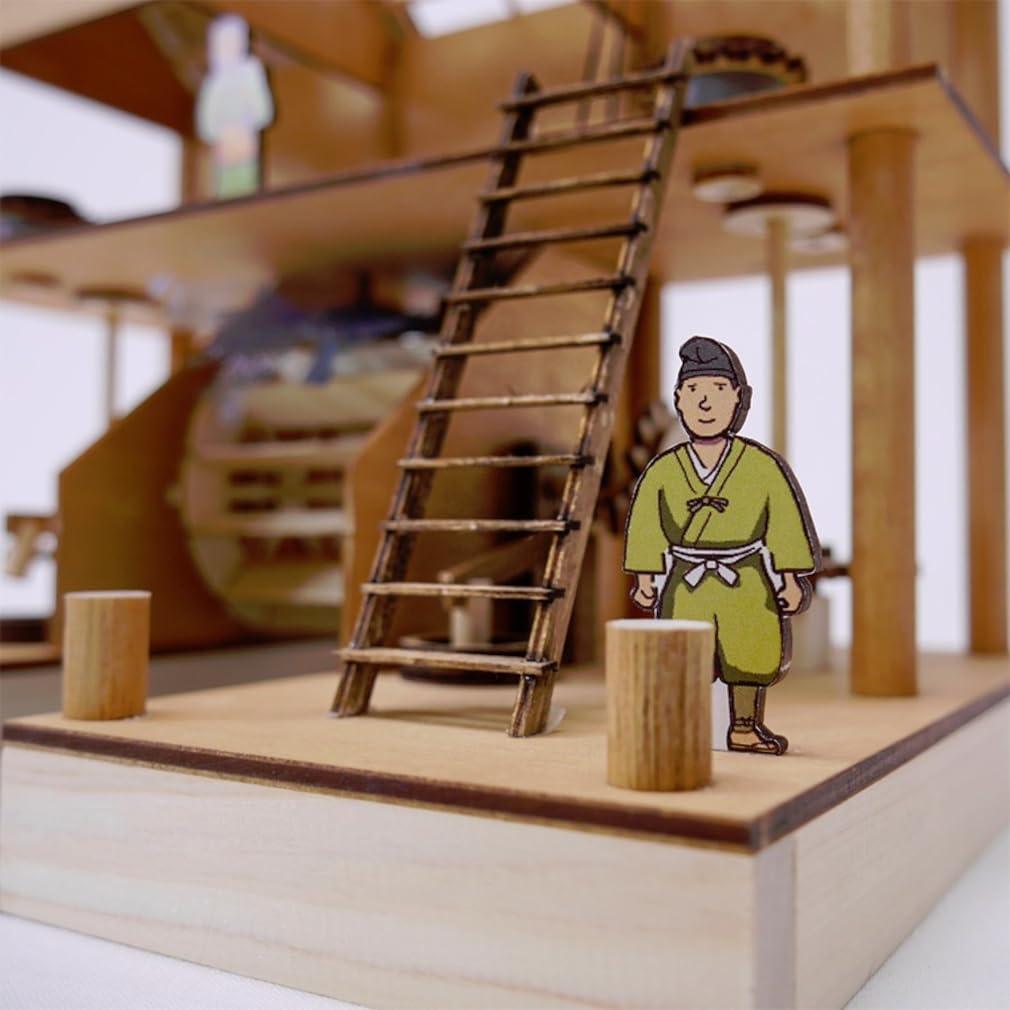
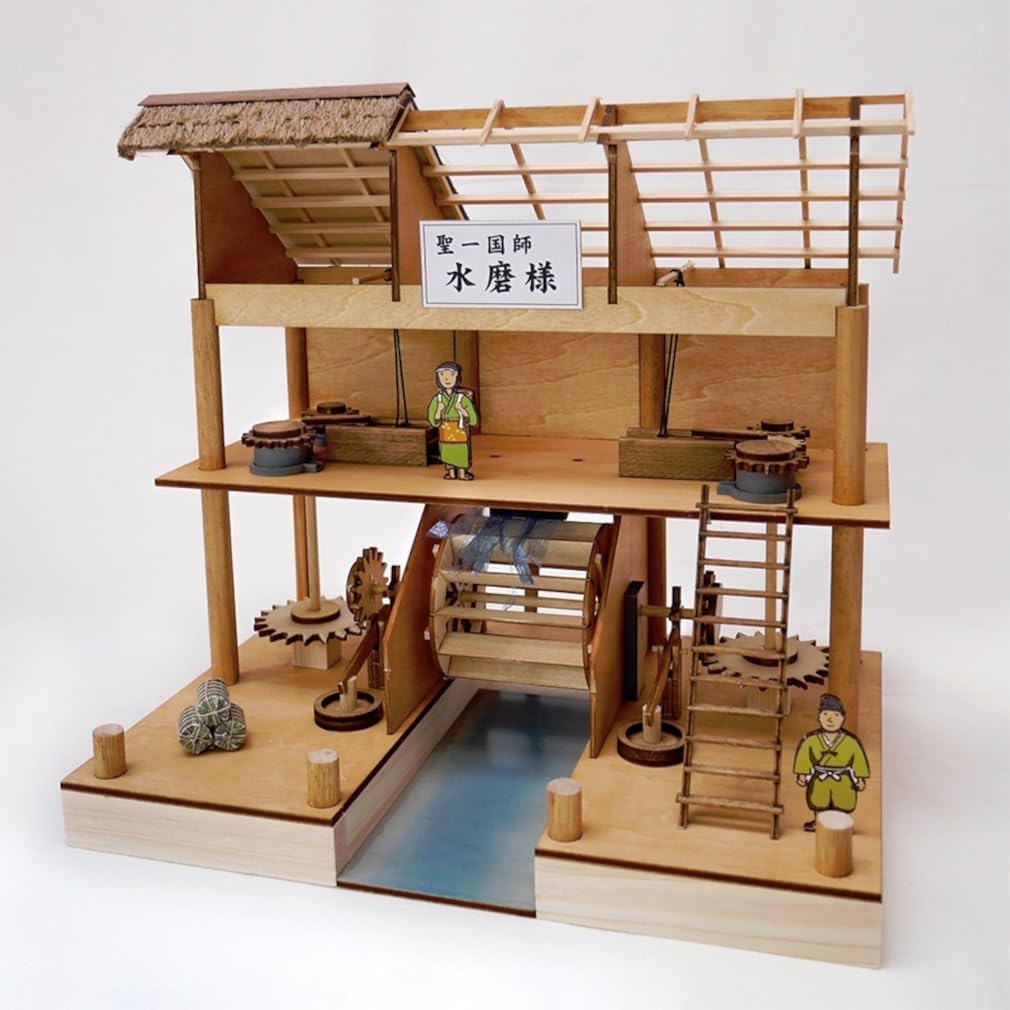
Turning the waterwheel turns the gears, striking the pestle on the first floor, and rotating the millstone on the second floor, moving the sieve back and forth.
Assembling the wooden parts according to the instructions will give you a fun lesson in how the "Mizumasama" works.
Material: Natural wood such as cypress, linden, and walnut.
Accessories: Color assembly instructions, water sheet, patterned paper, rope.
Completed size: Overall width 270mm, depth 210mm, overall height 252mm
Diorama materials and paint are not included in the kit.
This product is a wooden model that requires assembly.
Separate adhesives, tools, and paint are required for assembly and painting.
Unpainted wooden assembly kit made primarily of wood. Separate tools and paint are required.
Finished Size: Overall Width 270mm / Depth 210mm / Overall Height 252mm
Material: Natural wood (cypress, linden, walnut, etc.)
Accessories: Color assembly instructions, water sheet, patterned paper, rope
Turning the waterwheel turns the gears, hammering the pestle on the first floor, and rotating the millstone on the second floor, moving the sieve back and forth.


 Vrácení peněz při nedoručení