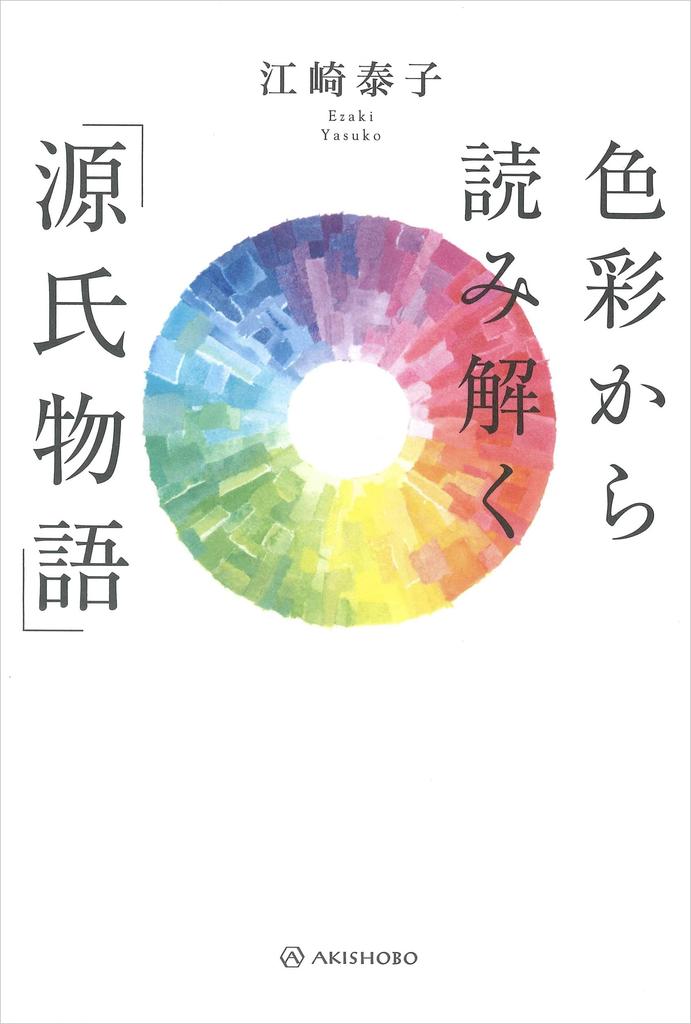
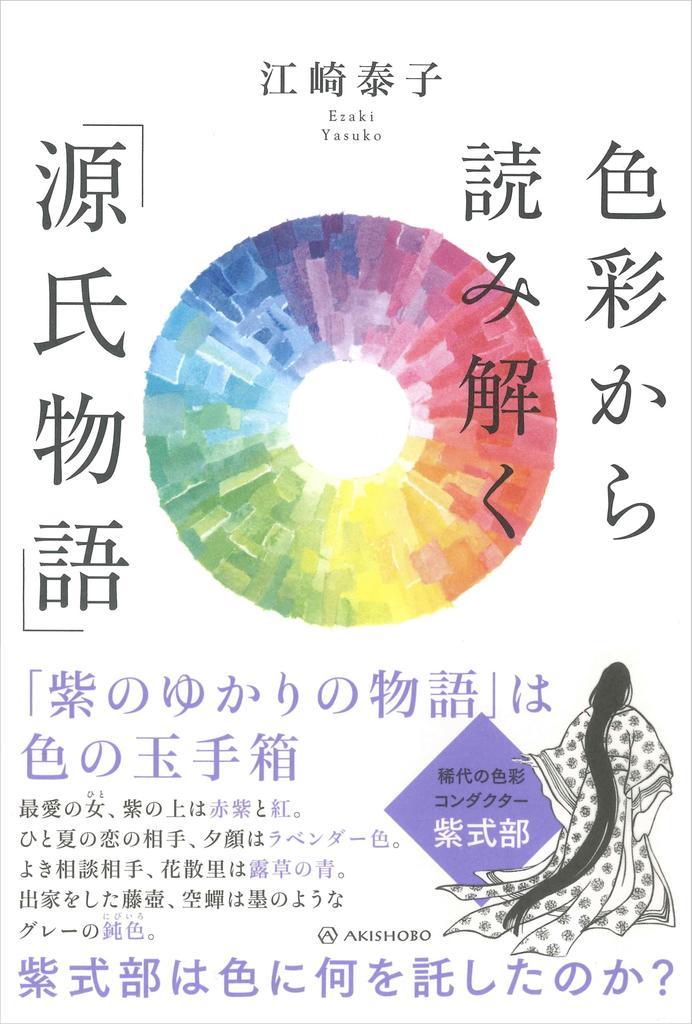
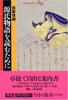
The Tale of Genji interpreted through color


Popis
What did Murasaki Shikibu entrust to color?
◉ Her beloved, Murasaki no Ue, is reddish purple and crimson. ◉ Her summer love, Yugao, is lavender. ◉ Her confidant, Hanachirusato, is the blue of dewdrops. ◉ Fujitsubo, who has become a nun, is Utsusemi, a dull, ink-like gray.
Unravel the "mysteries of color" woven into The Tale of Genji by the unparalleled color conductor, Murasaki Shikibu!
**********
The "Tale of Murasaki" is a treasure box of colors.
Light green, cherry blossom, madder, violet, bellflower... During the Heian period, aristocrats dyed their clothing with wild plants and layered them in layers.
These color combinations are called "kasane irome" (layered colors), and they have names rich in seasonal beauty: cherry blossom layered, red plum layered, willow layered, cicada wing layered, autumn leaves layered, snow-under-layered... The Tale of Genji conveys these colors to the present day.
**********
The Tale of Genji is a visual novel.
The story is filled with color, from the characters' dazzling costumes, the letters exchanged, and the splendid annual events.
Murasaki Shikibu, who served at the Imperial Court as a lady-in-waiting, used her keen observational skills and genius color sense to convey the joys, sorrows, jealousy, and hardships of women through these colors.
This book interprets the colors Murasaki Shikibu weaves into her stories from the perspectives of color science and psychology, revealing the true nature of women 1,000 years ago.
**********
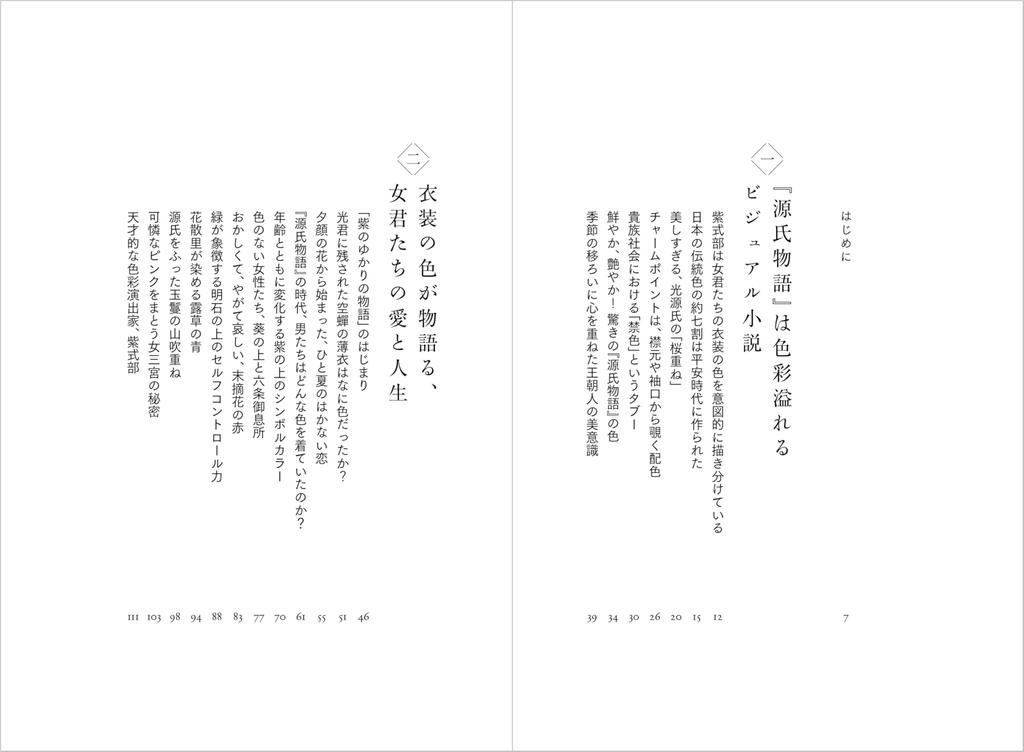
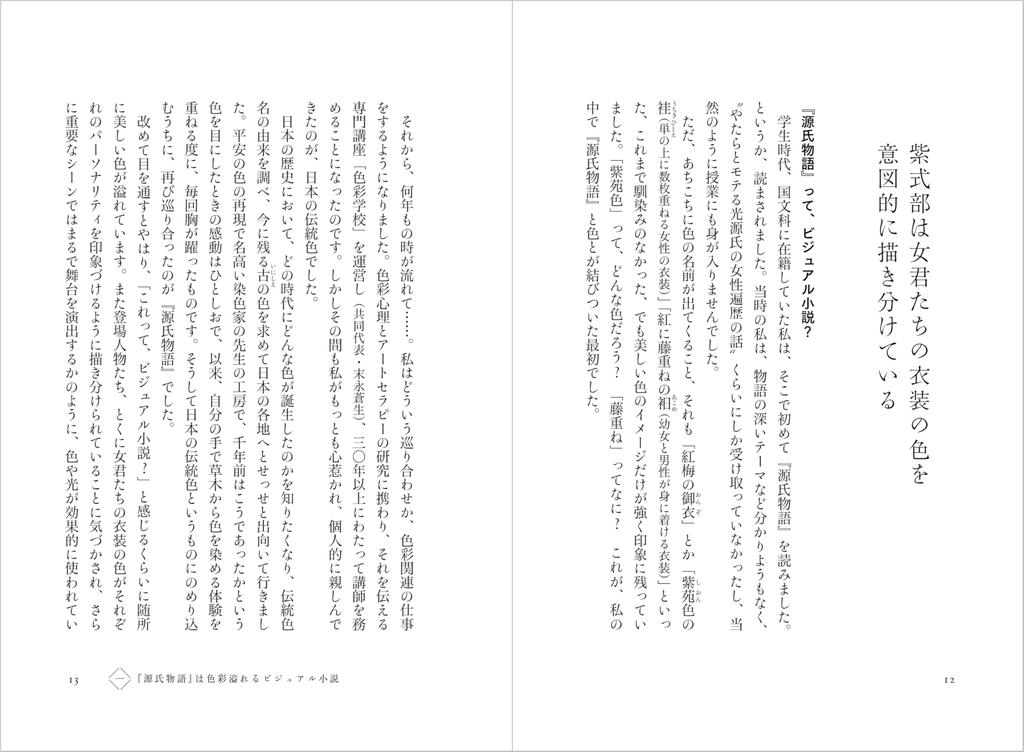
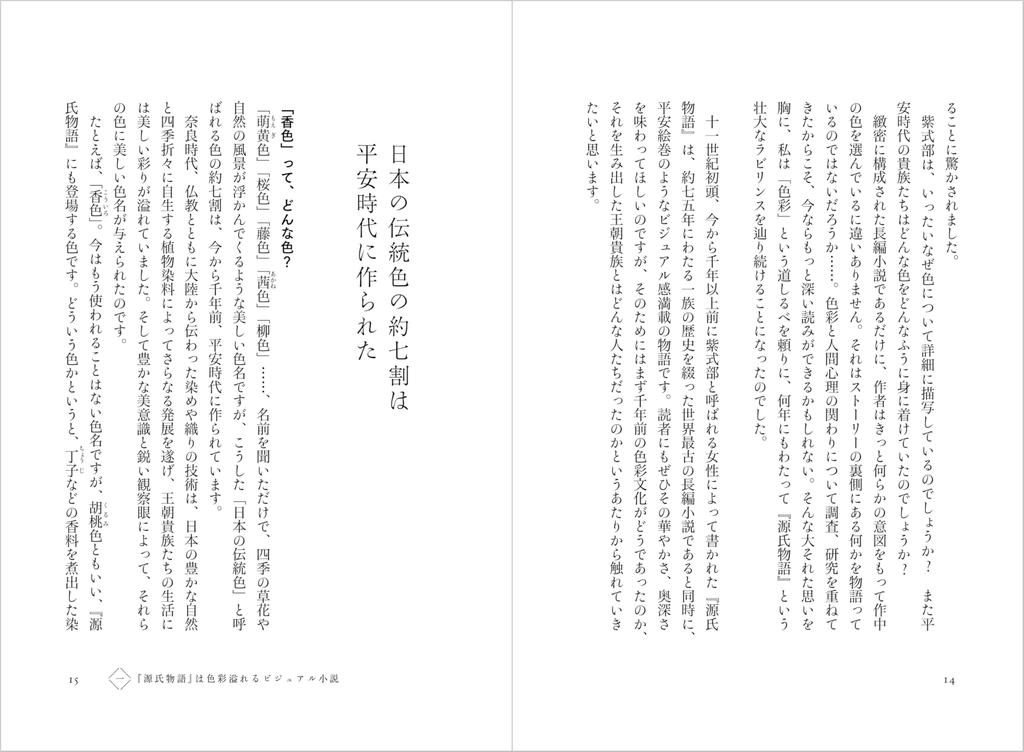
[Table of Contents] 1. The Tale of Genji is a colorful visual novel. ● Murasaki Shikibu intentionally differentiates the colors of the ladies' clothing. ● Approximately 70% of Japan's traditional colors were created during the Heian period. ● The stunning beauty of Hikaru Genji's "layered cherry blossoms." ● The charming feature is the color scheme peeking out from the collar and cuffs. ● The taboo of "forbidden colors" in aristocratic society. ● Vivid and lustrous! The astonishing colors of The Tale of Genji. ● The aesthetic sense of the court nobility, centered on the changing seasons.
2. The love and lives of the ladies as told through the colors of their clothing. ● The beginning of the "Tale of Purple Connection." ● What color was the thin robe of the sky cicada left behind for Prince Hikaru? ● A fleeting summer love that began with evening primrose flowers. ● What colors did men wear during the time of The Tale of Genji? ● The symbolic color of Lady Murasaki changes with age ● The colorless women, Lady Aoi and Lady Rokujo ● The funny, then sad, red of Suetsumuhana ● The self-control of Lady Akashi, symbolized by green ● The blue of the dewdrops dyed by Hanasachi ● The layered flowers of Tamakazura, who rejected Genji ● The secret of the Third Princess, clad in delicate pink ● The genius colorist, Murasaki Shikibu
3. The love affairs of the aristocrats that gave birth to imperial culture ● Was polygamy really a system during the Heian period? ● The anxiety and jealousy of women-in-waiting and lovers ● First contact, where color played a key role ● What color was the love letter that captured the hearts of ladies-in-waiting? ● Colors, fragrances, songs... The "subtle beauty" favored by the court ● The attire of young girls, the mascots of the imperial court ● How did Heian aristocrats express their emotions? ● Art, music, and dreams connect to the depths of the soul
4. Tracing the characters' lives through color ● An event at Rokujo-in featuring the symbolic colors of the ladies of the court ● The later lives of the women surrounding Genji - Akashi no Ue, Suetsumuhana, Tamakazura... ● The transformation of the princess who never grows up - Onna no Miya ● The happiness and misfortune of the woman Genji loved most - Murasaki no Ue ● The liberation of "nunnery" seen in dull colors ● The final year of Genji's life ● Murasaki Shikibu's secret plan revealed through color
5. Murasaki Shikibu's question, Beyond a Thousand Years ● Why was Murasaki Shikibu able to write stories filled with beautiful colors? ● Murasaki Shikibu's Early Life: From Lonely Girl to Single Mother to Writer ● Murasaki Shikibu's Later Life: Her Win-Win Relationship with Michinaga ● Sei Shonagon's "The Pillow Book" Pays Homage to the Glorious Harem ● The Melancholy of "Murasaki Shikibu Diary," Focusing on the Shadows Rather than the Sun ● The New Choices of Women Revealed in "The Ten Chapters of Uji" ● Murasaki Shikibu's Message Conveyed in Color
Afterword References






![Protože dva lidé v míru [japonské vydání]](https://img.joomcdn.net/ed947548dbabd13c55e4a121e2ef6caadf7e23df_70_100.jpeg)