[JOOM Certified Store]
A Japan-based retailer offering high-quality authentic products.
*** Important Notices (Please Read) ***
We carry a wide variety of products, but please note that many are based on Japanese domestic standards.
- [Home Appliances]: Voltage 100V / Type A plug. (A voltage converter or plug adapter may be required).
- [Games & Media]: May be subject to region locking. Manuals and user interfaces are primarily in Japanese.
* Please check for compatibility with your equipment before purchasing.
* See the bottom of the page for detailed product specifications.
[Shop Information]
- Please "Follow" our store and leave a 5-star review!
―・―・―・―・―・―・―・―・―・―・―・―・―
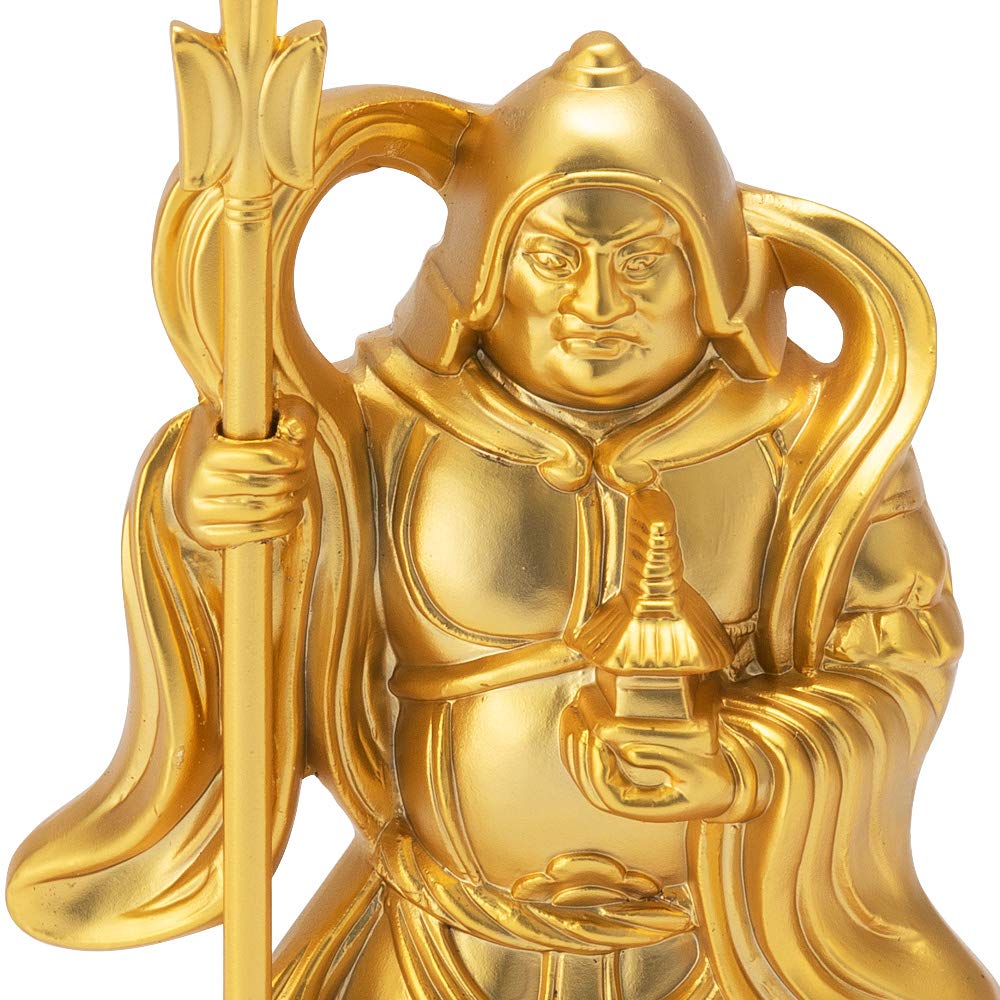
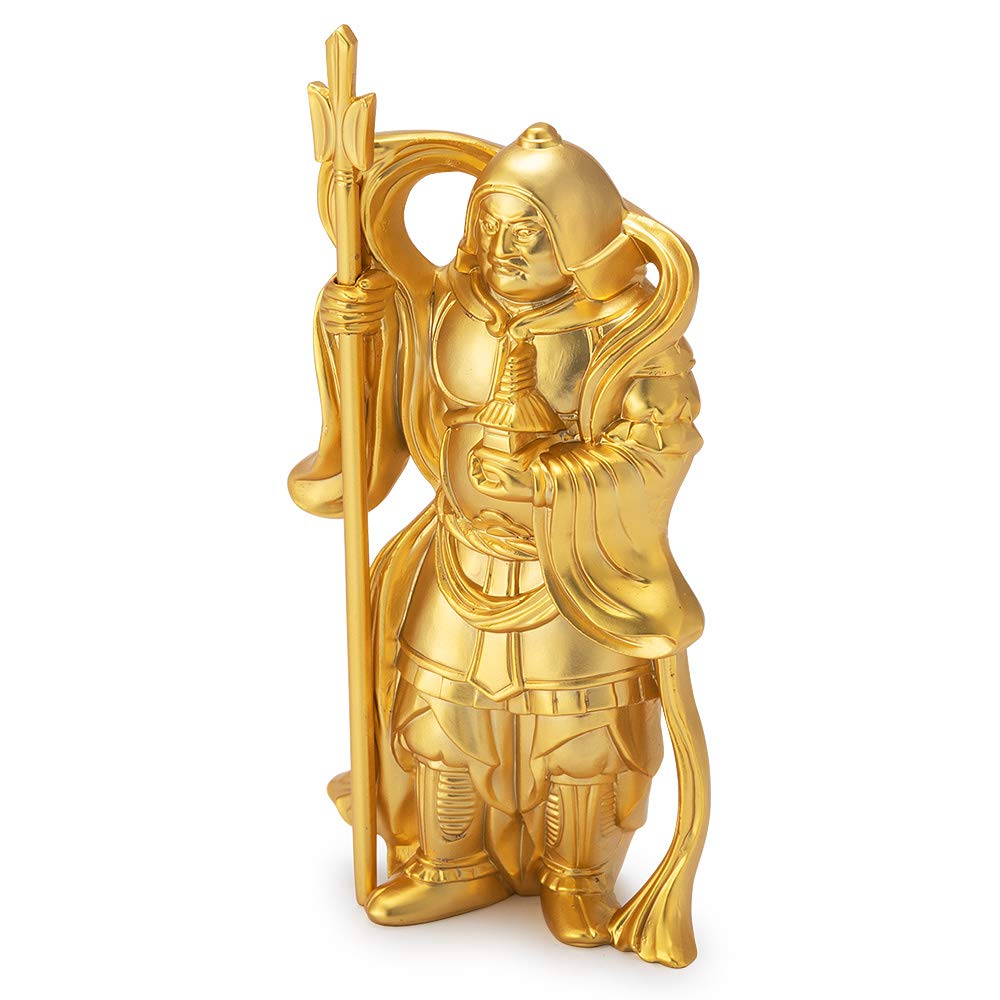
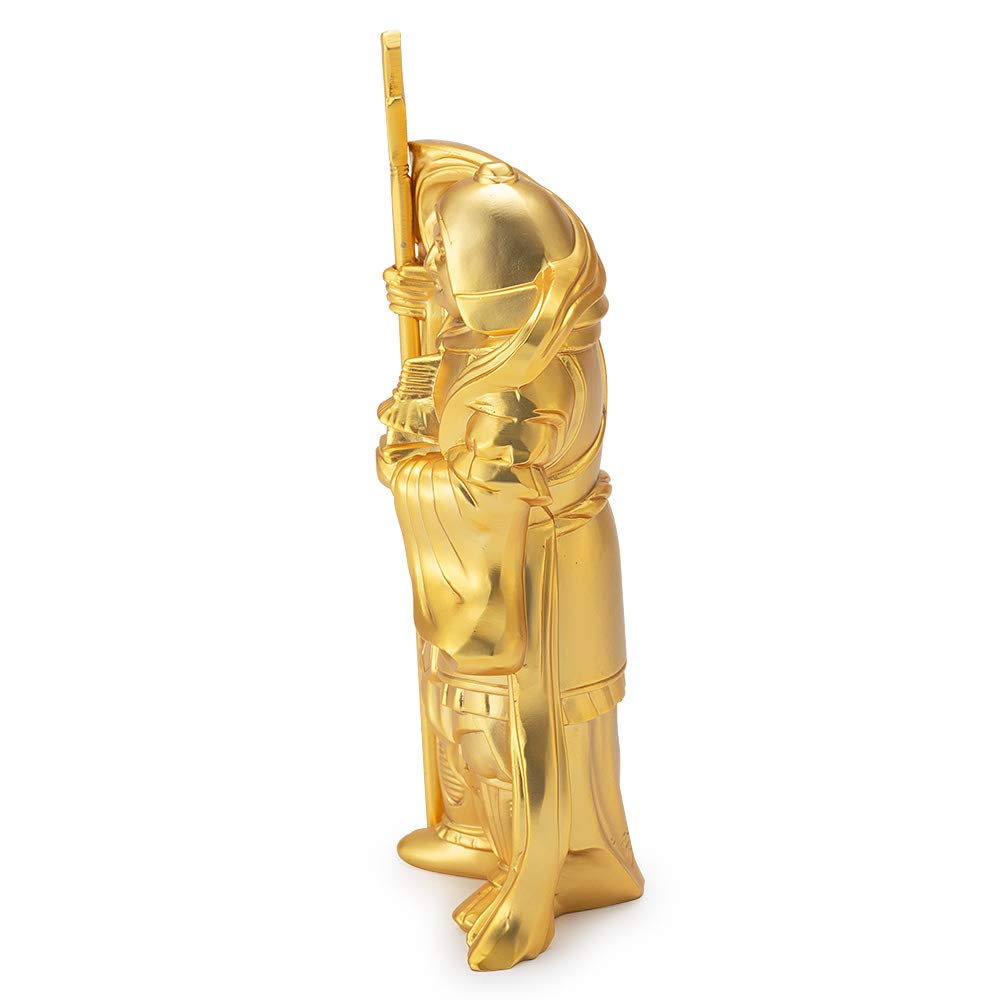
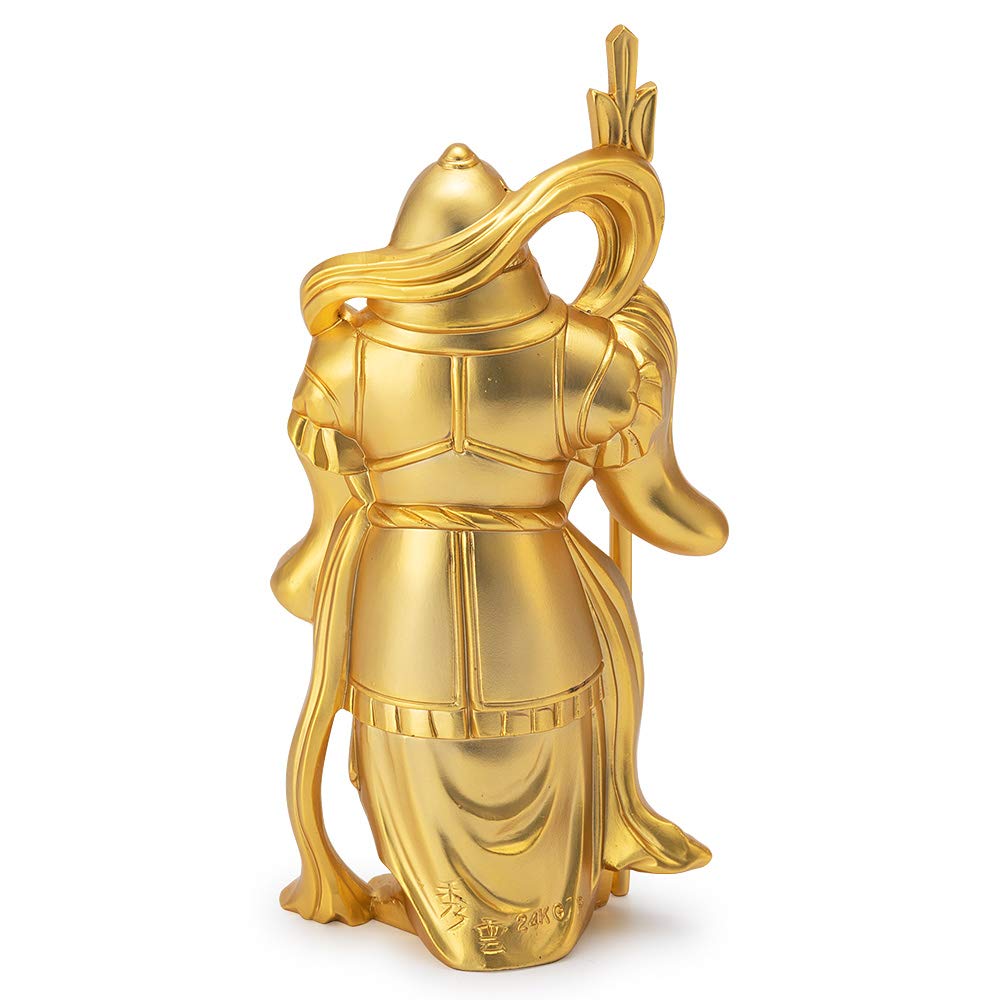
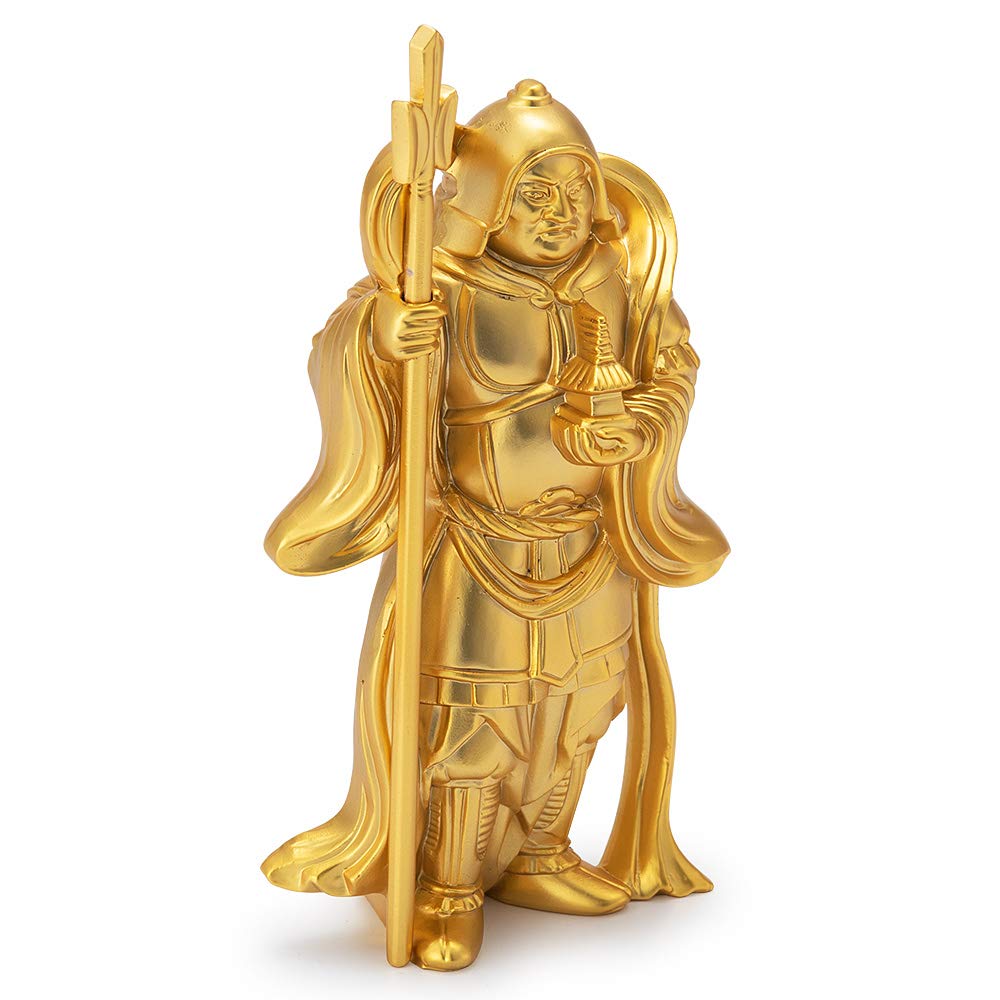
Dimensions: 8.7cm high x 5cm wide x 3cm deep / Material: Alloy with gold plating finish / Weight: Approx. 270g / Made in Takaoka, Toyama Prefecture / Note: Made by Makita Shuun
Bishamonten is the name given to Tamonten, one of the Four Heavenly Kings, who protects the north, when he is worshiped alone.
Bishamonten is a powerful god of victory who is said to remove all obstacles, and has been worshipped by many military commanders, including Uesugi Kenshin.
Bishamonten was originally Kubera, the Hindu god of wealth, and is counted as one of the Seven Gods of Fortune as the god of wealth who brings wealth and treasure, and is widely worshipped by the general public. He is especially worshipped as a god who brings benefits in competitions.
Comes with a certificate issued by Takita Shoten, which is proof of Takita Shoten brand quality.
Comes with a certificate issued by Takita Shoten, which is proof of Takita Shoten brand quality.
Bishamonten is counted as one of the Seven Lucky Gods and is the god of wealth who brings wealth and treasure, and is widely worshipped by the people.
The history of worship of the Seven Lucky Gods dates back to the Kamakura period, when worship of Ebisu (the guardian deity of fishing, labor, business, etc.), an ancient Japanese guardian deity, was joined by worship of Daikokuten (the god of bountiful harvests and food and drink) and Benzaiten (the god of music, wisdom, eloquence, and wealth) from India via China.
During the Muromachi period, as faith in these three gods deepened among the common people, four other gods were added: Bishamonten (the guardian deity of the path of human morality and Buddhism), Hotei (the god of fortune and prosperity, including divination of good and bad fortune and family harmony), Fukurokuju (the god of good fortune, stability in life, and longevity), and Jurojin (the god of longevity and prolonged life), and they are said to have become symbols of faith as the Seven Lucky Gods who answer people's wishes.
During the Edo period, pilgrimages to the Seven Lucky Gods became popular in various places, in search of good fortune and good luck for business prosperity, good health, and the fulfillment of various wishes.



 Vrácení peněz při nedoručení