[JOOM Certified Store]
A Japan-based retailer offering high-quality authentic products.
*** Important Notices (Please Read) ***
We carry a wide variety of products, but please note that many are based on Japanese domestic standards.
- [Home Appliances]: Voltage 100V / Type A plug. (A voltage converter or plug adapter may be required).
- [Games & Media]: May be subject to region locking. Manuals and user interfaces are primarily in Japanese.
* Please check for compatibility with your equipment before purchasing.
* See the bottom of the page for detailed product specifications.
[Shop Information]
- Please "Follow" our store and leave a 5-star review!
―・―・―・―・―・―・―・―・―・―・―・―・―
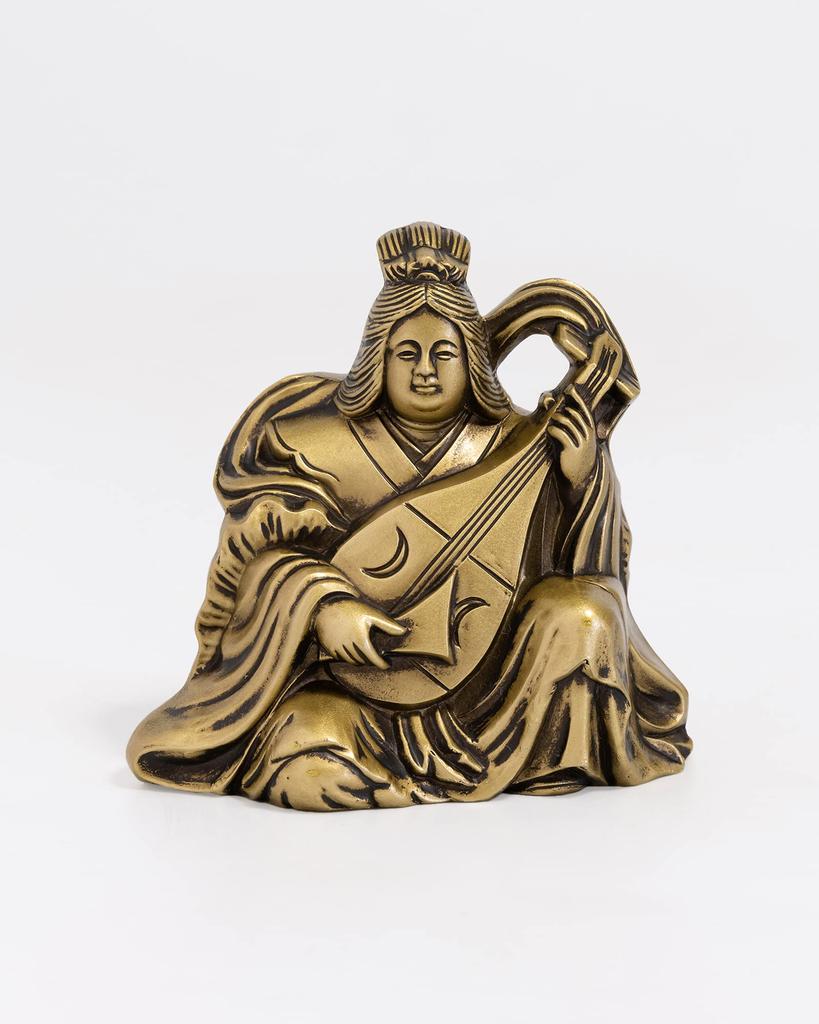
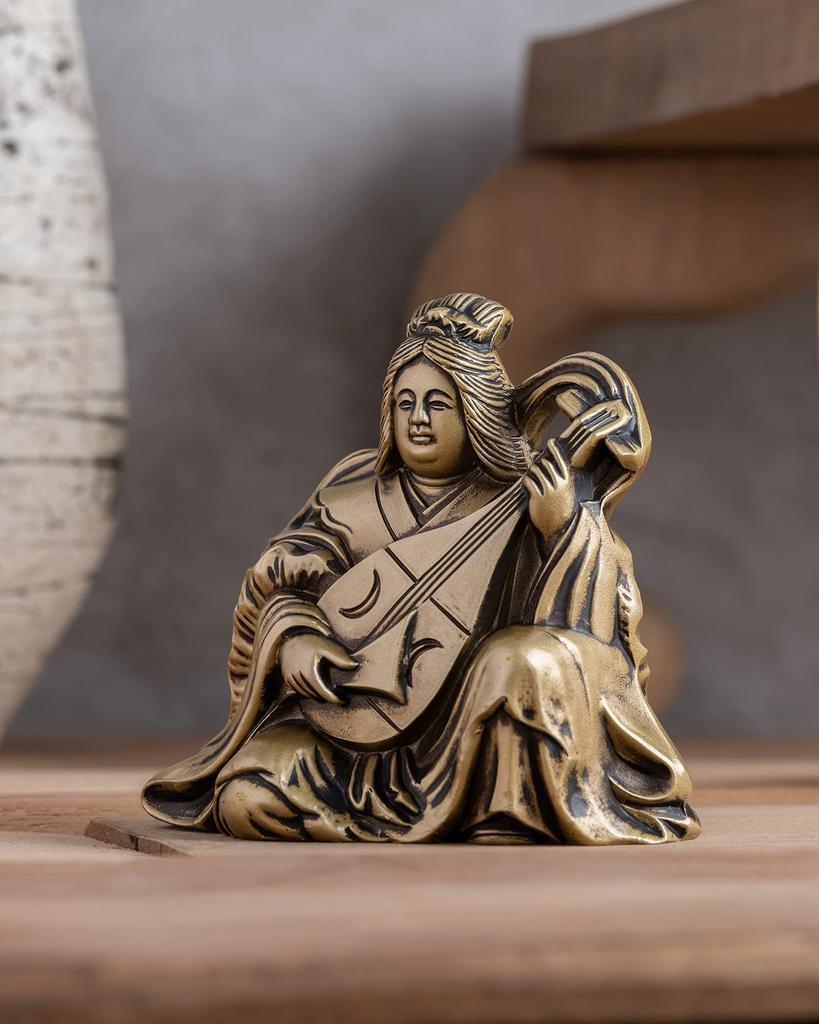
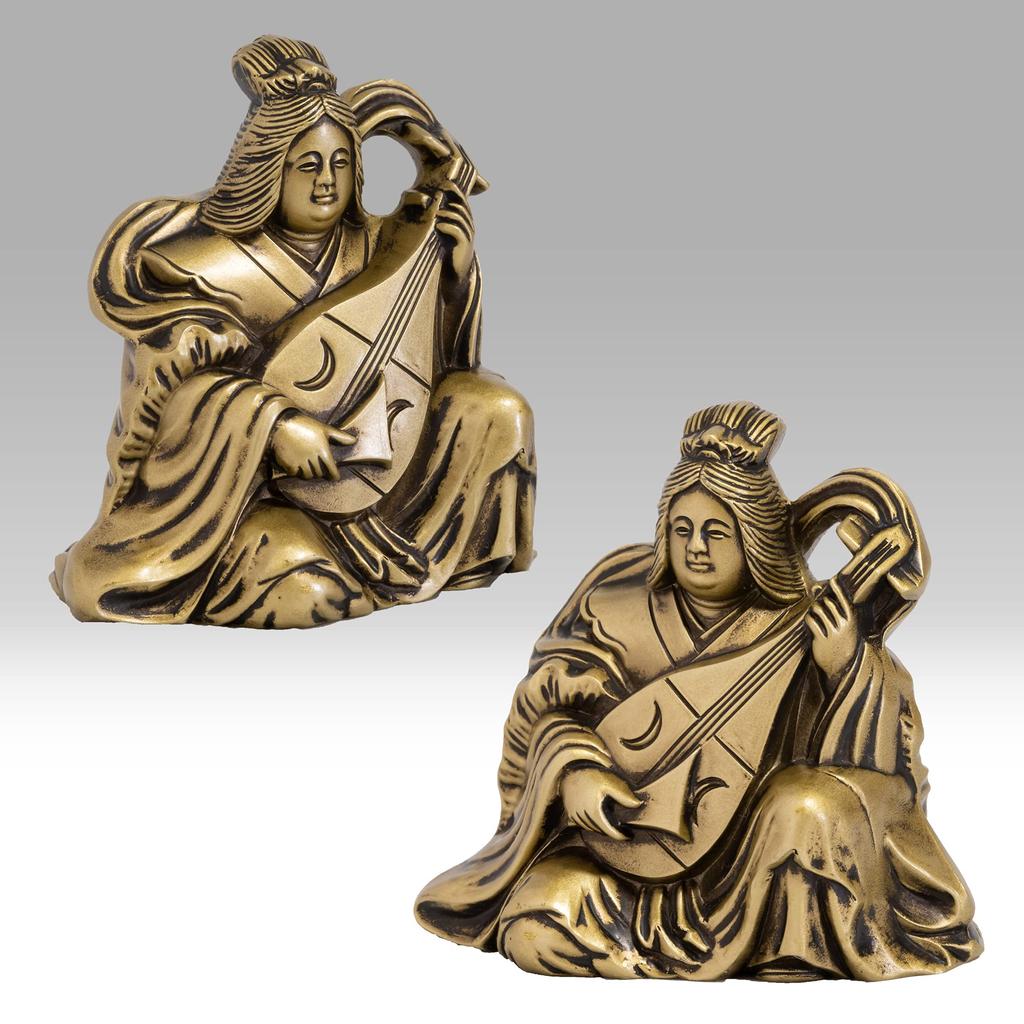
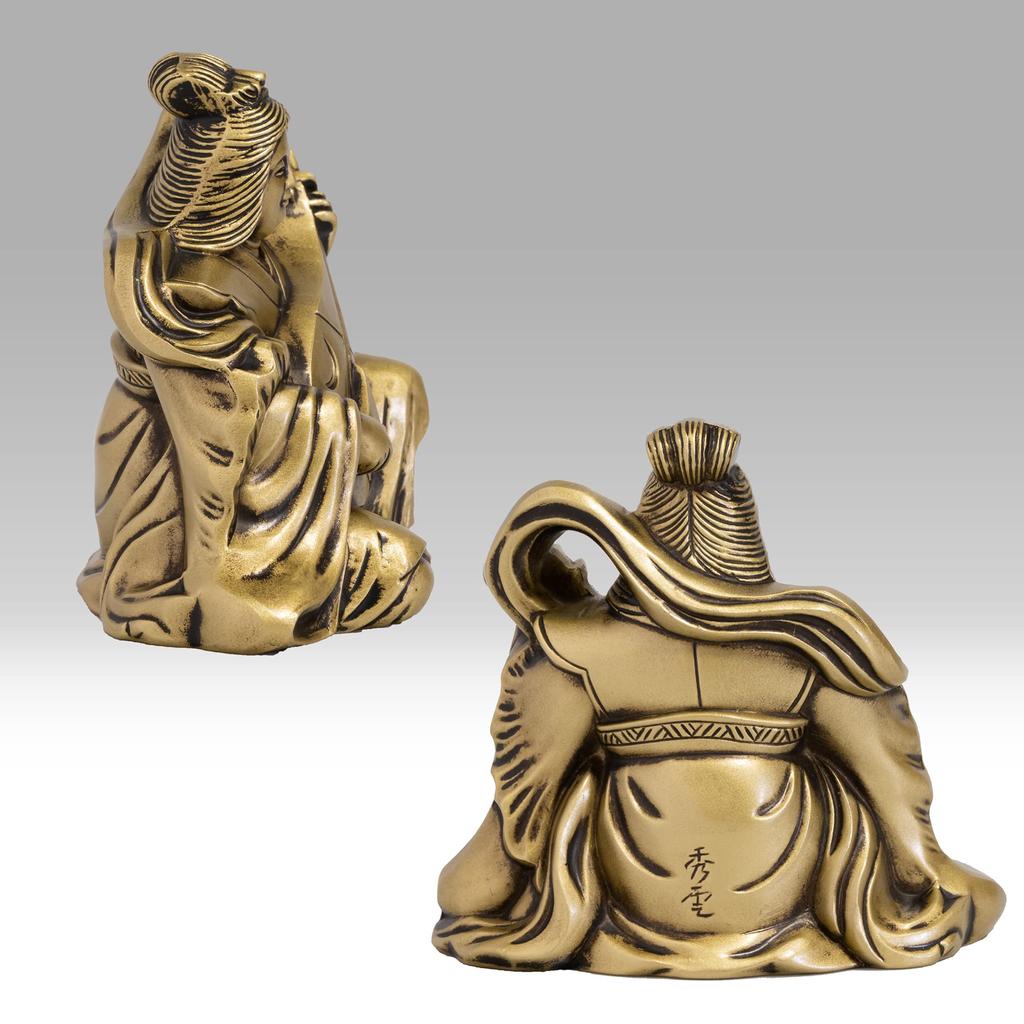
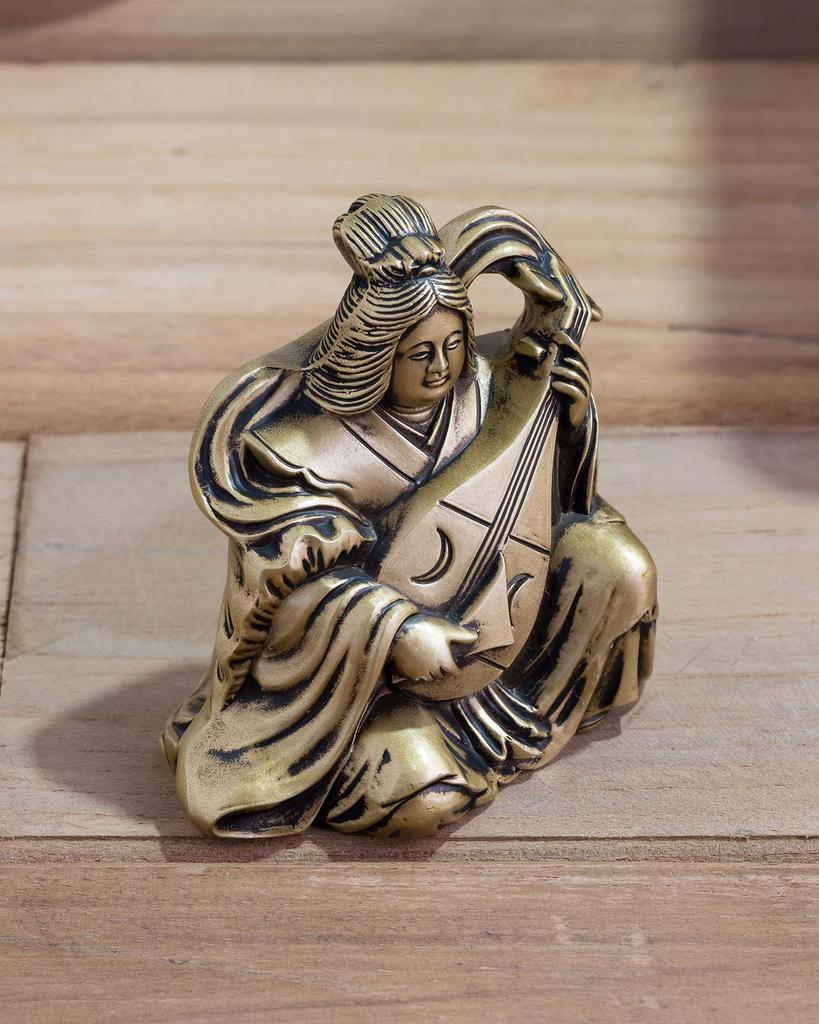
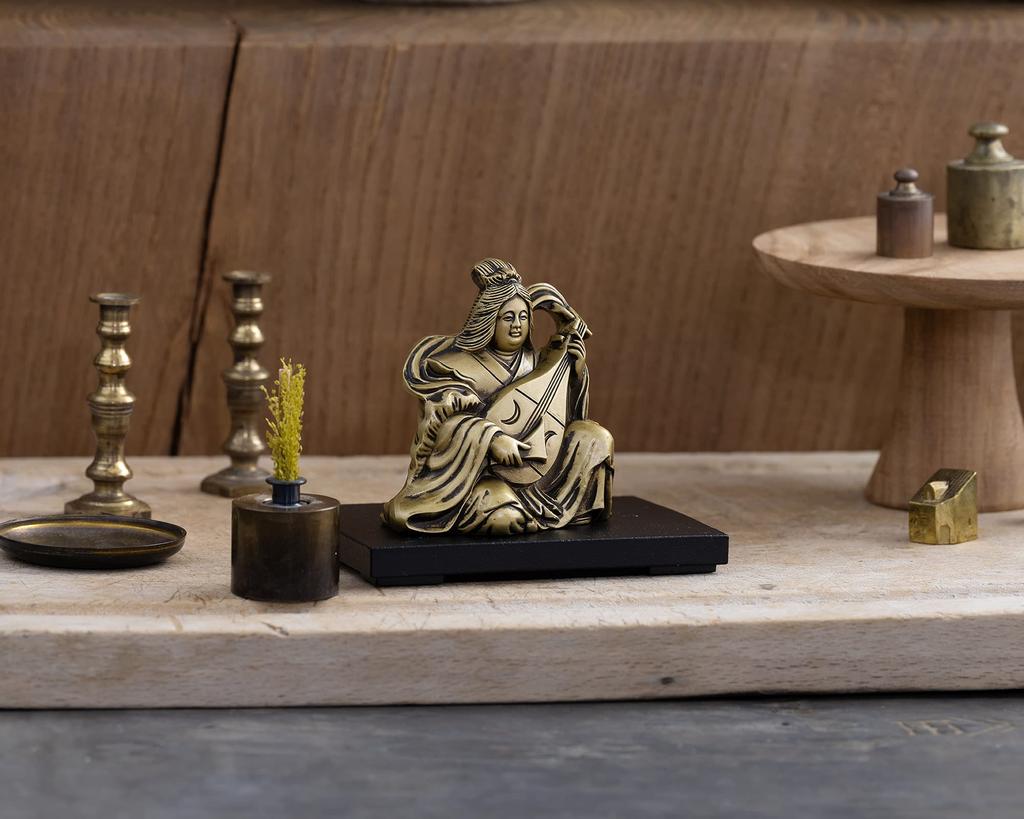
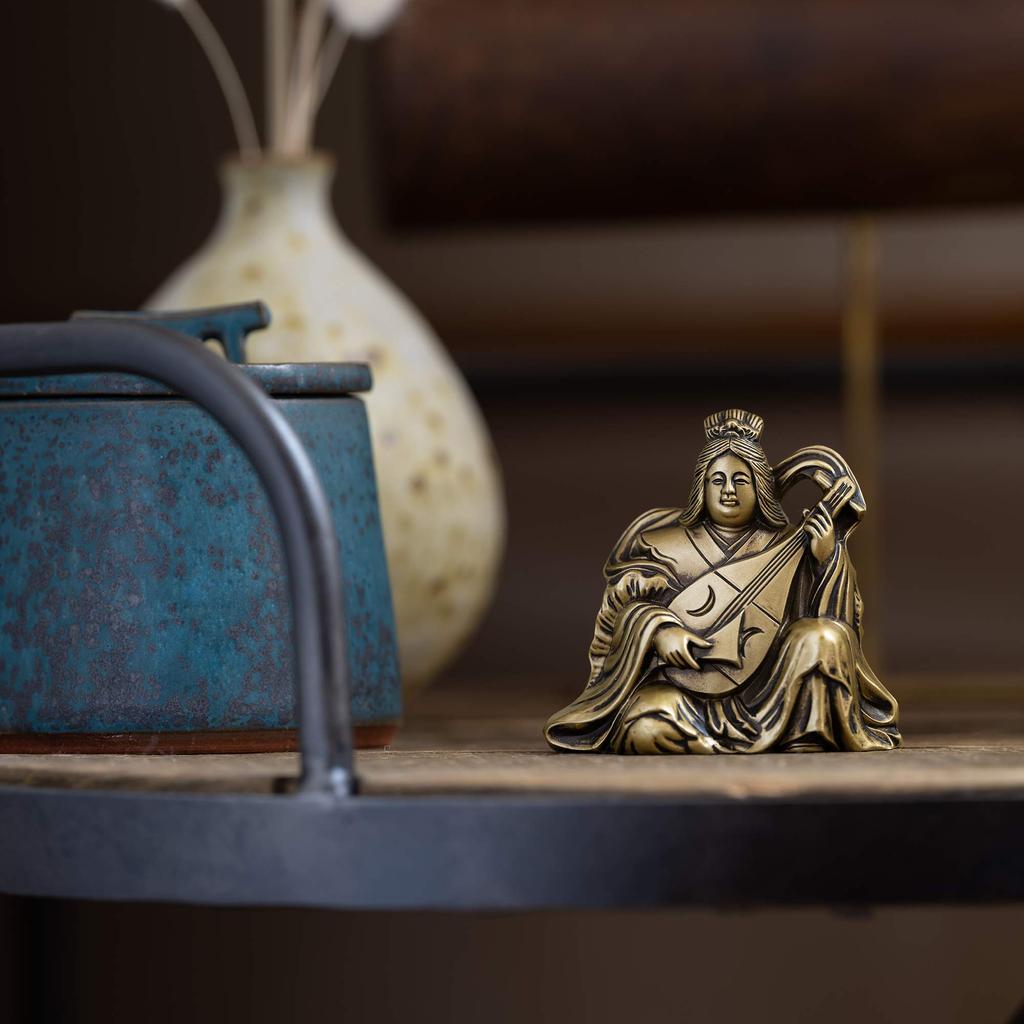
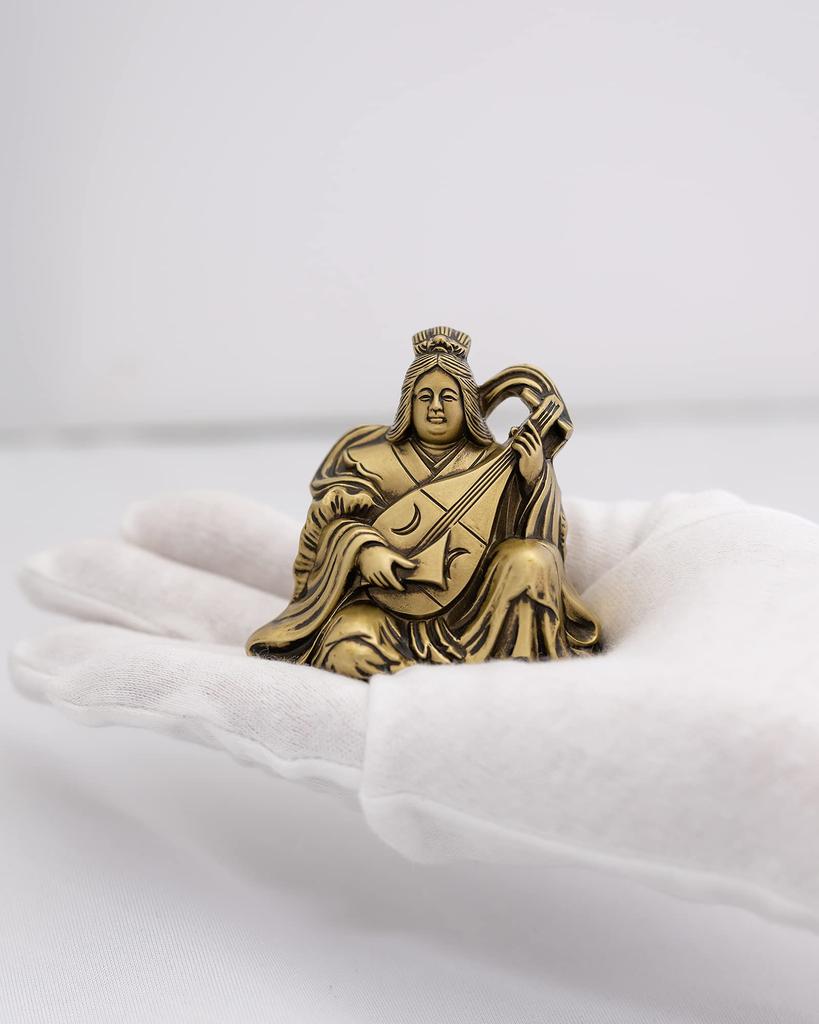
Series: Seven Lucky Gods (Silky Gold) A refined and calming gold finish like silk. Its deep luster blends well with modern interiors.
Body size: Height 6.2 x Width 6.5 x Depth 4 cm Weight: Approximately 320 g
Material: Zinc alloy (modeled by Buddhist sculptor Shuun Makita) with a silky gold finish. [Takaoka Copperware / Made in Japan]
◆Product contents: Main unit in gift box
She is the only goddess among the Seven Gods of Fortune who is associated with marriage, wealth, performing arts, and learning. Originally introduced from India as the goddess of water, she was later adopted into Buddhism and became the patron deity of music, eloquence, wealth, wisdom, and more. She is depicted as a beautiful woman playing the biwa (Japanese lute).
[Matchmaking, Wealth, Performing Arts, and Learning] Benzaiten is one of the Seven Lucky Gods, beloved as gods and Buddhas of good fortune. She is the only female deity among the Seven Lucky Gods. Originally introduced from India as the deity of water, she was later incorporated into Buddhism and became the guardian deity of music, eloquence, wealth, and wisdom. She is depicted as a beautiful woman playing the biwa. The Seven Lucky Gods are surprisingly little known, but they are actually made up of gods and Buddhas from India, China, and Japan. Belief in the Seven Lucky Gods began in the late Muromachi period and is said to have become widely established among the common people by the mid-Edo period. Subsequently, customs such as pilgrimages to the Seven Lucky Gods and treasure ships were born, and today they are beloved as charming and auspicious deities.



 Vrácení peněz při nedoručení