【Voltage Compatibility】
When using electrical appliances, please note that they are designed for Japanese voltage specifications (90-110V), so if you use them with a different voltage, it may cause a malfunction.
【Plug Type】
Our products use Japanese plug types (A or B type).
Please use a conversion adapter if necessary.
【Important Note on Transformers and Adapters】
A transformer adjusts voltage to match your device’s requirements.
A conversion adapter only changes the plug shape and does not adjust voltage.
Using only a conversion adapter without a transformer may result in damage to the product.
【Liability】
We are not responsible for malfunctions or damages caused by improper use, such as operating the product without a transformer.
Series: Guardian Deity (Takaoka Bronze Ware)
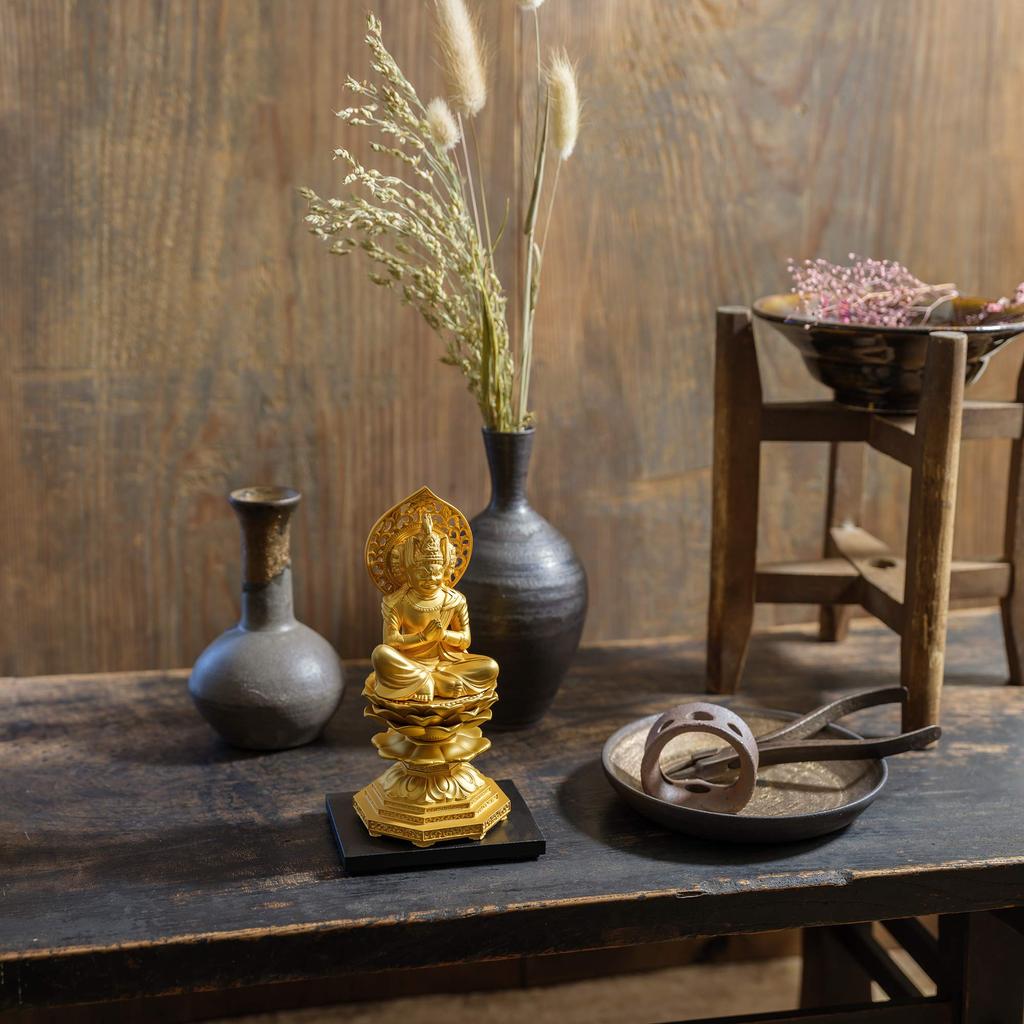
Dimensions: Height 15 x Width 6.5 x Depth 6.5 cm (Body length 7.5 cm) Weight: 570 g
◆Product contents: Main unit, in a presentation box
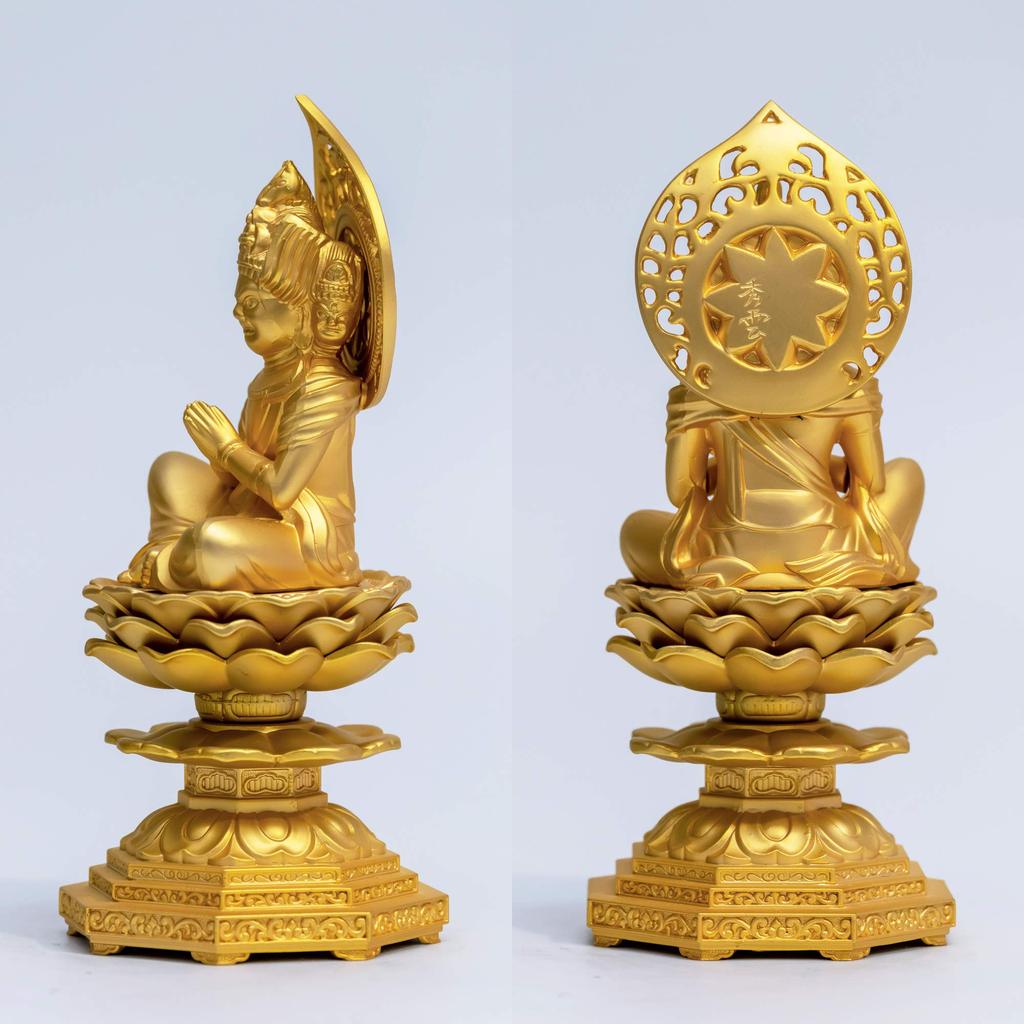
Material: Alloy (original design by Buddhist sculptor Shuuun Makita), pure gold plated finish. [Takaoka copperware/Made in Japan]
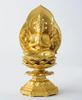
◇ (Guardian deity of animals) This is a domestically produced metal cast Buddha statue. It is sized to be enjoyed in daily life as a memorial for pets and livestock, as a charm for the health and well-being of animals, or as a tasteful interior decoration.
Batō Kannon Bosatsu (Horse-Headed Avalokiteśvara) is the guardian deity of good health, animal rescue, protection from evil, safe travel, and traffic safety. The origin of this Avalokiteśvara is a myth in which Vishnu, the supreme god of Hinduism, transformed into a horse's head to defeat his enemies. It is counted as one of the Six Avalokiteśvara and is the form that Avalokiteśvara appears in the animal realm. It is believed that with the intensity of its anger it crushes suffering and all evil, devouring worldly desires and removing calamities just as a horse eats grass. While other Avalokiteśvara are often depicted with feminine and beautiful expressions, Batō Kannon is depicted with an angry and wrathful face and is sometimes called Batō Myōō (Horse-Headed King). Because it appears in the animal realm with a horse's head on its head, it is worshipped for the safety and health of livestock, and because it is associated with horses, a means of transportation, it is also worshipped as a guardian deity of traffic safety and safe travels, and stone statues of Batō Kannon are placed along roadsides. In the past, horses were an integral part of life for both samurai and farmers, and the Buddha associated with horses is widely recognized as a deity to be honored. These Buddhas are often found near racetracks to commemorate horses that died in racing accidents.




 Vrácení peněz při nedoručení