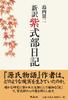
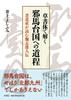
![[Reprint edition] Elementary science](https://img.joomcdn.net/c73c7c84d001db76b1dfac19fad61d670e78d5fb_710_1024.jpeg)
[Reprint edition] Elementary science


 Vrácení peněz při nedoručeníZáruka kvalityBezpečná logistikaOchrana soukromí
Popis
Wartime Textbooks, Reprint Edition, Vol. 11 Science Textbooks Studied by Famous Nobel Prize Winners The Origins of Japan as a Scientific and Technological Powerhouse
"The educational spirit of 'Elementary Science' was a philosophy of human life that cultivated a comprehensive Japanese ability to live, focusing on the things around us, cherishing living things, and feeling grateful for the use of nature." - Yuko Sawa
The educational philosophy of 'Elementary Science' is, "Science is not for conquering nature, but for living in harmony with nature."
National School 'Elementary Science' volumes 1-3 (for grades 4-6) are republished in a combined volume with easy-to-read modern kana spelling. The emphasis on coexistence with nature, independent learning, and hands-on experience outlined in 'Elementary Science' provides valuable clues for considering the future of education. How to apply and develop the philosophy of this textbook in the modern era will be an important issue for realizing a sustainable society and educating the next generation. (From Yuko Sawa's commentary)
This is the kind of textbook you've always wanted! Illustrations, photographs, and diagrams reproduced from the original text.
Learn fun experiments, problem-solving skills, and a wealth of knowledge applicable to everyday life. You'll definitely fall in love with science!
■ Plant Cultivation Potatoes, sweet potatoes, Chinese yams, dahlias, taro, arrowheads, rice, wheat, radishes, rapeseed (oil extraction), soybeans (tofu making), hemp (fiber extraction, hemp thread), cotton (cotton thread), Chinese cabbage
■ Animal Rearing Butterflies, ladybugs, ladybug imposters, spiders, crickets, honeybees, silkworms (raw silk), mosquitoes, flies, clothing insects (experimenting with the effects of camphor and naphthalene), corbiculatus, black mussels, rabbits, chickens
■ Crafts String telephone, paper bullet gun, oak leaf mushroom, pinhole camera, lens camera, reflex camera, pump, koto, South Seas nose flute, Taiwanese one-note flute, thermometer, floating and sinking egg submarine, disassembling a bicycle Assembly, repairing punctures, repairing metal buckets with solder, copper-plating iron screws, sulfuric acid batteries, copper sulfate batteries, telegraphs (communicating using telegraphic codes), electromagnetic bells
■ Materials Soap (from oil and caustic soda), hydrogen (from zinc and sulfuric acid), oxygen (from potassium chlorate and manganese dioxide), match recycling (re-applying chemicals to the remaining matchstick), koji (from rice cake mold and rice), amazake (from koji and rice, or koji and starch), copper (extracted from copper sulfate), solder (from tin and lead)
About "Elementary Science" This book is a combined edition of the "Elementary Science" textbooks for first through third grades (for fourth through sixth grades), used in wartime science classes at the National Elementary School. The basic philosophy of these classes was that science is not about conquering nature, but about living in harmony with it, a concept rooted in the Japanese view of nature. Previous science textbooks had been dry, pictorial enumerations of knowledge, but this textbook brought about a revolutionary change. Focusing on concrete tasks such as growing, raising, and crafting, the textbook encouraged students to think by asking questions like, "Look into it," and "Why is that?" The answers were up to the students, and were rarely written in the textbook. The experience of discovering, creating, and solving problems through their own ingenuity brought joy to students and motivated them to seek further solutions, discoveries, and creations. The aim of elementary school science was to nurture the seeds of such personal growth. This revolutionary Elementary School Science was a groundbreaking textbook that became the foundation for postwar science education and the cornerstone of Japan's rise as a science and technology-based nation.
Table of Contents
Elementary School Science 1 (4th Grade) 1. Planting Potatoes 2. The Busy Rabbit 3. Butterflies and Caterpillars 4. Rice Sowing 5. Rice Field Soil and Field Soil 6. Insects in Rice Fields and Fields 7. Shellfish in the Stream 8. Rice Planting 9. In the Forest 10. Spiders 11. Digging Potatoes 12. Playing with the Phone 13. Rice Paddies 14. Paper Balloon Guns 15. Singing Insects 16. Digging Potatoes and Sowing Seeds 17. Harvesting 18. Extracting Starch 19. Gargling Water 20. Migratory Birds 21. Roly-poly Toys 22. How Living Things Survive Winter 23. Stoves and Boiling Water 24. Spring Weather
Elementary School Science 2 (5th Grade) 1. The Busy Chicken 2. Cucumbers and Flowers 3. Flowers and Bees 4. Silkworms and Mulberry Trees 5. Camera 6. Oil Pressing 7. Summer Weather 8. Summer Sanitation 9. Pump 10. Autumn Weather 11. Koto, Flute, and Drum 12. Fire and Air 13. House 14. Winter Weather 15. Amazake and Alcohol 16. Our Research
Elementary Science 3 (Sixth Grade) 1. Hemp and Cotton 2. Mountains and Water 3. The Sea and Ships 4. Sand and Stones 5. Our Bodies 6. Harvesting Hemp 7. Bicycle 8. Electric Light 9. Kimono 10. Metalwork 11. Plating 12. Telegraph and Electric Bell 13. Electric Motor 14. Koto and Airplane 15. Our Research
Commentary by Yuko Sawa


![Moderní japonská smrt japonského pálení knih [Dotisk, Překlad] (Knihy GHQ)](https://img.joomcdn.net/a5e50d8ed4633cae808acde83bf806fe83a17ba3_68_100.jpeg)