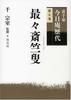
Written by the Ministry of Education, with commentary by Naoki Yahagi, Professor Emeritus at the University of Tokyo
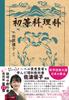
The "Moral Education" textbook for 3rd-6th graders in the National Elementary School is being republished in modern, easy-to-read kana spelling.
A huge hit! Following on from the "Elementary School National History," this "forbidden" textbook was blacked out by GHQ.
"Through stories of great figures, students can learn about virtues such as loyalty, filial piety, courage, sincerity, diligence, and compassion in a practical way." " Naoki Yahagi
Praised overseas! This textbook modeled on a moral education textbook became a huge US bestseller, second only to the Bible.
Looking for the future: Learning from the past - Now that the deterioration of education has long been called out, perhaps we can learn something from pre-war moral education textbooks.
Point: Through entertaining myths, historical figures, and Japan's beautiful scenery, you can learn how to behave as a person, member of society, and citizen!
Point: You will naturally acquire the basic knowledge that every Japanese citizen should have, such as the Imperial Family ceremonies like the Kanname-sai, which are a symbol of Japan's national character, and their significance!
I've been looking for a textbook like this!
Illustrations, photographs, and diagrams reproduced from the original text
"Postwar moral education, which rejected 'moral education,' only instilled moral principles and lacked a proactive perspective on how students would put them into practice in the real world. Many of the virtues advocated in 'moral education' still have value today. I think it would be good to teach students the need to think about how to put them into practice."
(Naoki Yahagi) (From "Commentary")
About "Elementary Moral Education"
On April 1, 1941, the "National School Act," which revised the Elementary School Act, came into effect, marking the establishment of national schools. This book's original text, "Elementary Moral Education I-IV," was the only and final nationally-designated moral education textbook (fifth period) published for national schools. It was intended for students in the third through sixth grades of the National School Elementary School, with first and second graders using "Yoi Kodomo Vol. 1 and 2." Because the Director of the Army Ministry's Military Affairs Bureau and the Director of the Navy Ministry's Education Bureau were heavily involved in the compilation of this text as advisors to the Ministry of Education, its style differs from the first four periods, including passages encouraging the nation's efforts to build a new Greater East Asia.
(From Naoki Yahagi's "Commentary")
Table of Contents
Imperial Rescript on Education
Imperial Rescript to Young Students
Elementary School Moral Education I (For Third Graders)
1. The Beginning of the Nation
2. Spring
3. Japanese Children
4. The Clinging of the Younger Generation
5. Anniversary of the Time
6. Vaccination
7. Swallow's Nest
8. Summer Evening
9. Messenger of the Great God
10. Autumn
11. Brother
12. One Heart
13. A Grain of Rice
14. Tamon Maru
15. Fire Drill
16. The Japanese Flag
17. Winter
18. Maruyama Okyo
19. Defeated
20. Her Majesty the Empress
Elementary School Moral Education 2 (For 4th Graders)
1. From Spring to Summer
2. "Kimigayo" (National Anthem)
3. Yasukuni Shrine
4. Prince Yoshihisa
5. The People of Miyako Island
6. Japan is a Land of the Gods
7. Hideyo Noguchi
8. Japan is a Sea Country
9. The Unburned Town
10. From Autumn to Winter
11. Nagamasa Yamada
12. Language
13. The Virtues of Emperor Meiji
14. Masazumi's Study
15. Passenger Boats
16. From New Year to Spring
17. General Nogi's Childhood
18. Kurumegasuri (Sleeping Cloth)
19. The Ingenious Boy
20. The Continent and Us
Elementary School Moral Education 3 (For 5th Graders)
1. Great Japan
2. Captain Sakuma's Will
3. The Saints of Omi
4. The Day of the Election
5. Farmer Sakubei
6. Tsujun Bridge
7. Etiquette
8. Captain Hisada
9. The Image of the War God
10. Katsu Yasuyoshi
11. Kanrin Maru
12. Mamiya Rinzo
13. Uryu Iwako
14. Kotaijingu Shrine
15. Special Attack Force
16. The Imperial Family
17. The Sea of Yomo
18. Pilot Iinuma
19. The Dew of Northern Manchuria
20. From the Past to the Present
Elementary School Moral Education 4 (For 6th Graders)
1. Offering the Emperor's Will
2. Our Home
3. Imperial Visit by Young Students
4. Father and Son
5. Serving the Teacher
6. Shoka Sonjuku (School of the Shōka Sonjuku)
7. Nomura Botoni
8. Universal Conscription
9. Inō Tadataka
10. Iwatani Kyujō
11. A Night in Matsusaka
12. Paying Taxes
13. Father of the Davao Development Project
14. The Daijōsai Ceremony
15. Takadaya Kahei
16. Japanese Swords
17. The Complete Sutra of the Iron Eye
18. The Imperial Constitution
19. Victory Celebration Day
20. A New World
Term Explanation
Commentary by Yahagi Naoki
![[Reprint edition] Elementary school training [Middle/Senior year edition]](https://img.joomcdn.net/7d696094c18dcff27f60ef4f016cc110c4decf82_719_1024.jpeg)


 Vrácení peněz při nedoručení



![Moderní japonská smrt japonského pálení knih [Dotisk, Překlad] (Knihy GHQ)](https://img.joomcdn.net/a5e50d8ed4633cae808acde83bf806fe83a17ba3_68_100.jpeg)